
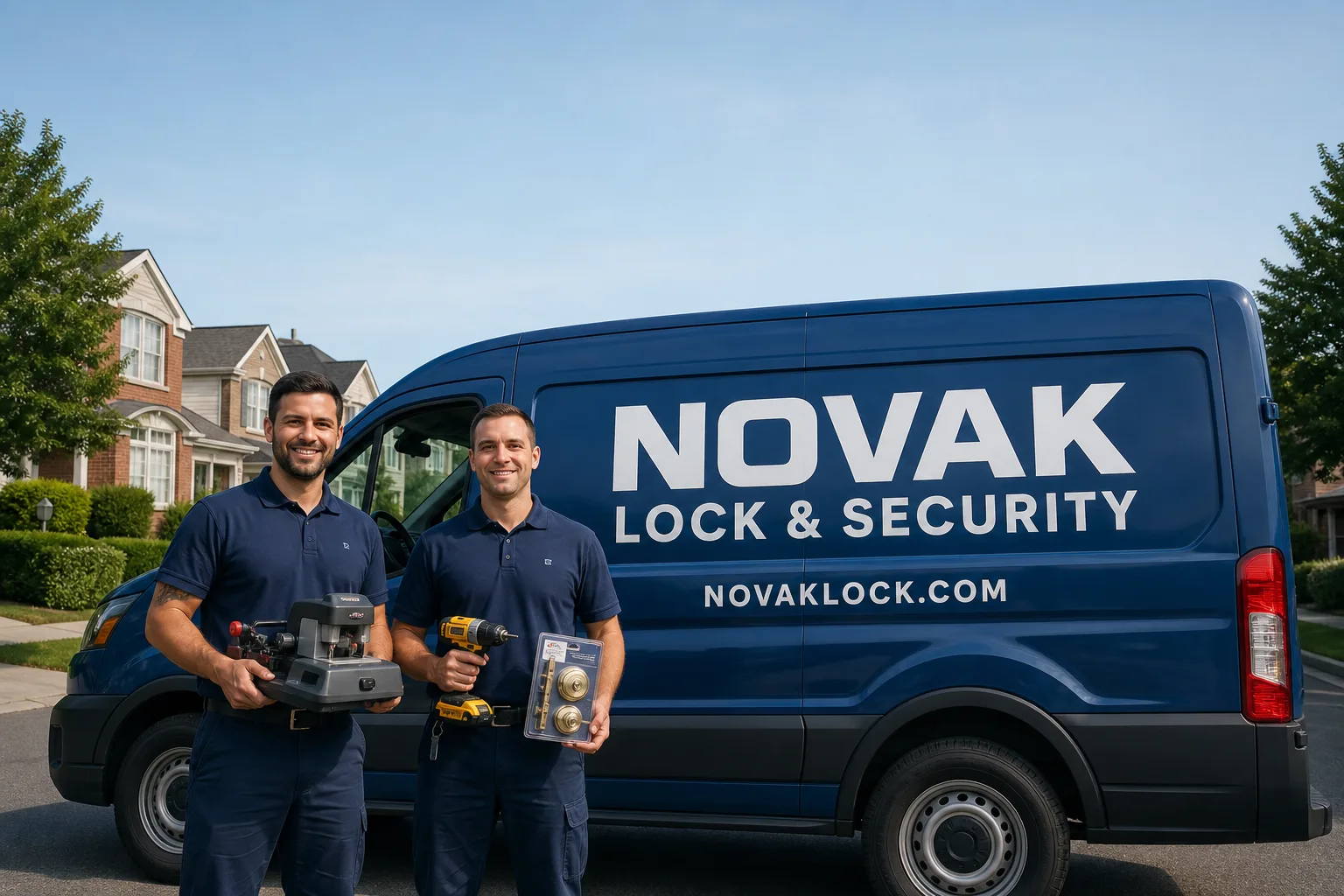
Non-destructive entry first, always - and we re-key Schlage, Kwikset, and Baldwin locks on the spot while you watch
You get a price before we start. It does not change when we arrive. No surprises.
Locked Out of My Car
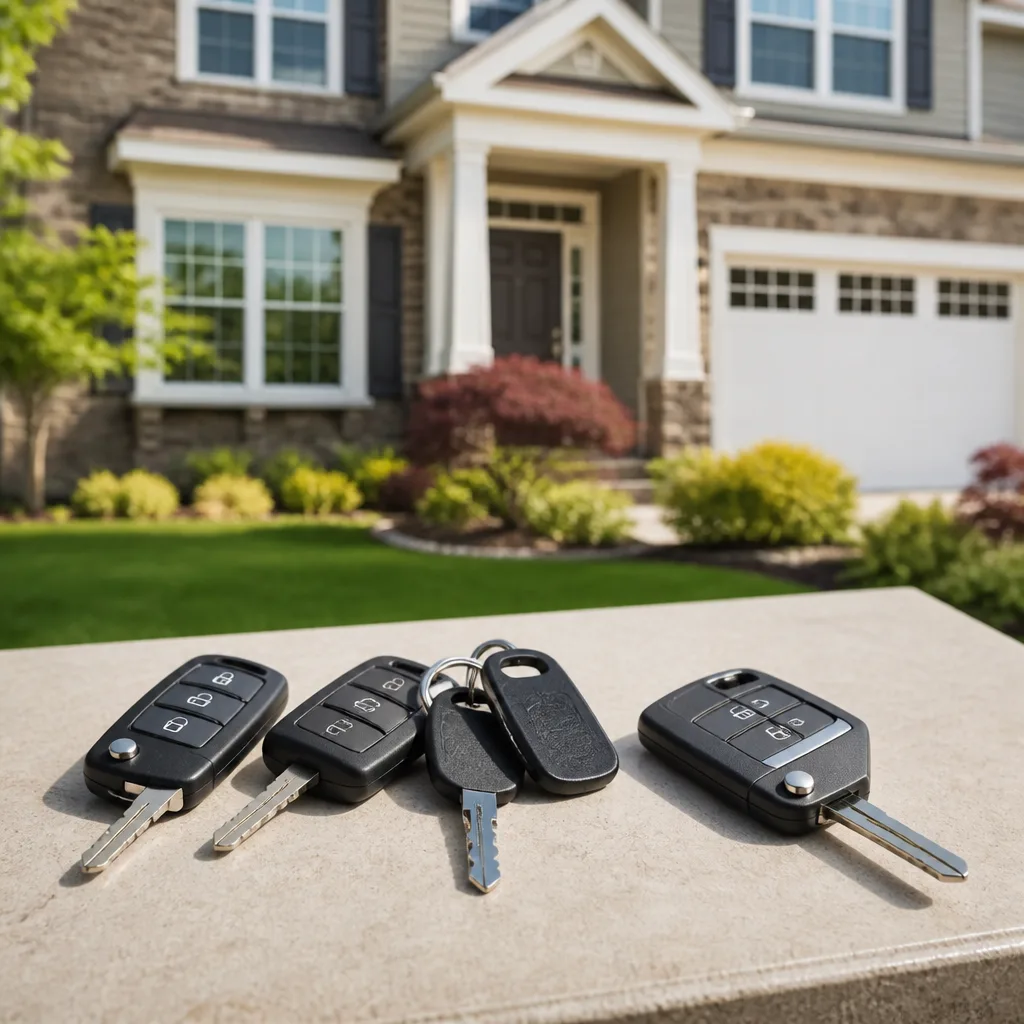
Being locked out of your car almost always means one of three things: your keys are inside the vehicle, your key fob has stopped communicating with the lock, or the door lock mechanism itself has failed. In most cases, a trained automotive locksmith can get you back in without damaging the door or window, usually in a single visit. Call (331) 310-8471 and a live person will answer right now – no voicemail, no callback queue.
Car lockouts feel urgent because they are. You’re standing outside, potentially in the heat or the dark, and every option that isn’t a locksmith seems to involve breaking something. The good news is that automotive lockout service is one of the fastest calls we handle. A technician arrives with the tools to read your specific lock, and the price is quoted to you on the phone before anyone is dispatched – not after the job is done.
Why It Happens
Keys Left Inside the Vehicle
This is the most common reason by a significant margin. You set the keys on the seat, closed the door, and the lock engaged automatically – or you pressed the fob out of habit before realizing the keys were still in your hand and then on your floormat. You can usually confirm this by looking through the window: if you can see the key fob or keychain, this is a straightforward lockout call, not a mechanical problem.
Dead or Failing Key Fob Battery
A fob that worked yesterday and does nothing today is almost always a battery issue, though it can also signal a fob that has lost its programming. If pressing the fob button repeatedly does nothing – no click, no flash of the lights – and the physical key blade won’t turn the door cylinder either, the lock cylinder itself may be the problem. If only the fob fails but the manual key blade works, the battery or fob programming is the culprit.
Worn or Damaged Door Lock Cylinder
Lock cylinders on car doors wear down over years of use. When the cylinder is going, you’ll feel resistance or slippage when you insert the key – the key may turn partway and stop, or turn all the way without actually releasing the latch. Rust, grit, and cold weather accelerate this wear considerably. If your physical key feels loose or grinds when you insert it, the cylinder is likely the problem, not the key itself.
Broken, Bent, or Worn-Down Key
A key that has been on a heavy keyring for years flexes slightly every time it’s used. Metal fatigue eventually causes a visible bend, a worn-down ridge, or – in the worst cases – a key that snaps in the cylinder. If your key looks visibly different from the cuts on a spare, or if it’s bent even slightly, it may no longer align with the cylinder pins correctly. Do not force a bent key. Forcing it can break it off inside the cylinder and turn a simple lockout into a cylinder replacement.
What to Do Right Now
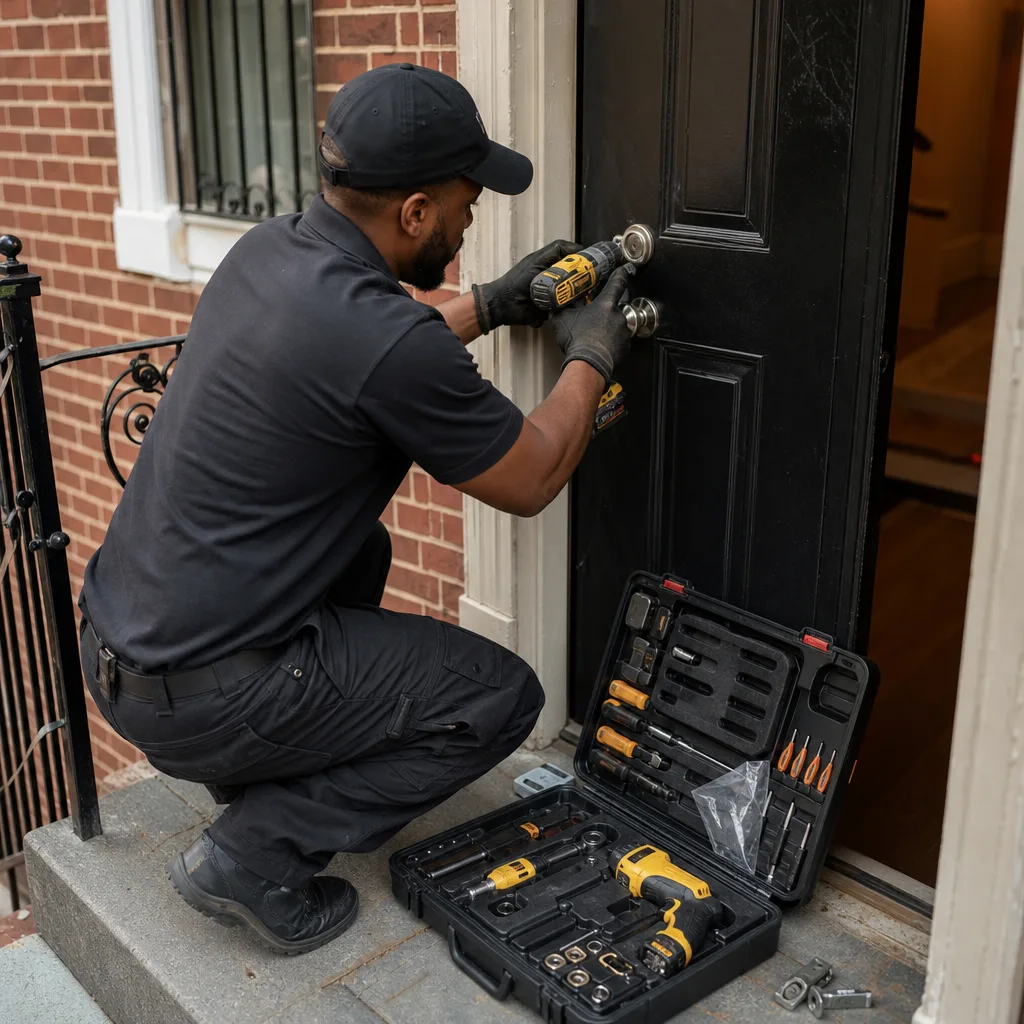
- Check every door and the trunk or hatch. Before anything else, walk around the vehicle. It sounds obvious, but one door is unlocked more often than people expect.
- Look for a spare key. If someone at home or nearby has a spare, that’s the fastest solution. Call them first.
- Do not try to slim-jim or wedge the door yourself. Modern car doors contain airbag sensors and wiring near the door frame. Inserting any object into the gap without knowing exactly where those components are can trigger an airbag or cause electrical damage that costs significantly more to fix than a lockout call.
- If your key is broken off inside the cylinder, stop. Do not attempt to extract it with tweezers, glue, or any other improvised tool. Pushing a broken key deeper into the cylinder makes extraction harder and more expensive. Note which door and which cylinder, and tell the dispatcher when you call.
- Photograph what you can see. If there’s visible damage to the lock or door, take a photo. It helps the dispatcher route the right technician and confirm pricing before anyone drives out.
How We Fix It
When your local Novak Lock & Security technician arrives, the first thing they do is assess which of the three scenarios they’re dealing with: locked out with keys inside, a fob or transponder issue, or a failed cylinder. For a standard lockout, a trained tech uses automotive entry tools designed for your vehicle’s door type – no pry bars, no wedges that risk the weather seal or the airbag wiring. Most lockouts are resolved in under twenty minutes once the technician is on site.
If the cylinder is damaged or a key is broken inside it, the job shifts to automotive lock service: extracting the broken key and, if needed, replacing or rekeying the cylinder so your existing key works again – or cutting a new key to the lock code on file for your vehicle. Fob reprogramming is handled on the spot for most makes and models.
Every job is covered by the 365-Day Done Right Promise: if it’s not done right, we make it right. The price you hear on the phone is the price on the invoice – the technician is not permitted to change it at the door. That rule has been in place since 2002 and it is not negotiable. Call (331) 310-8471 for a written price before anyone moves.
Frequently Asked Questions
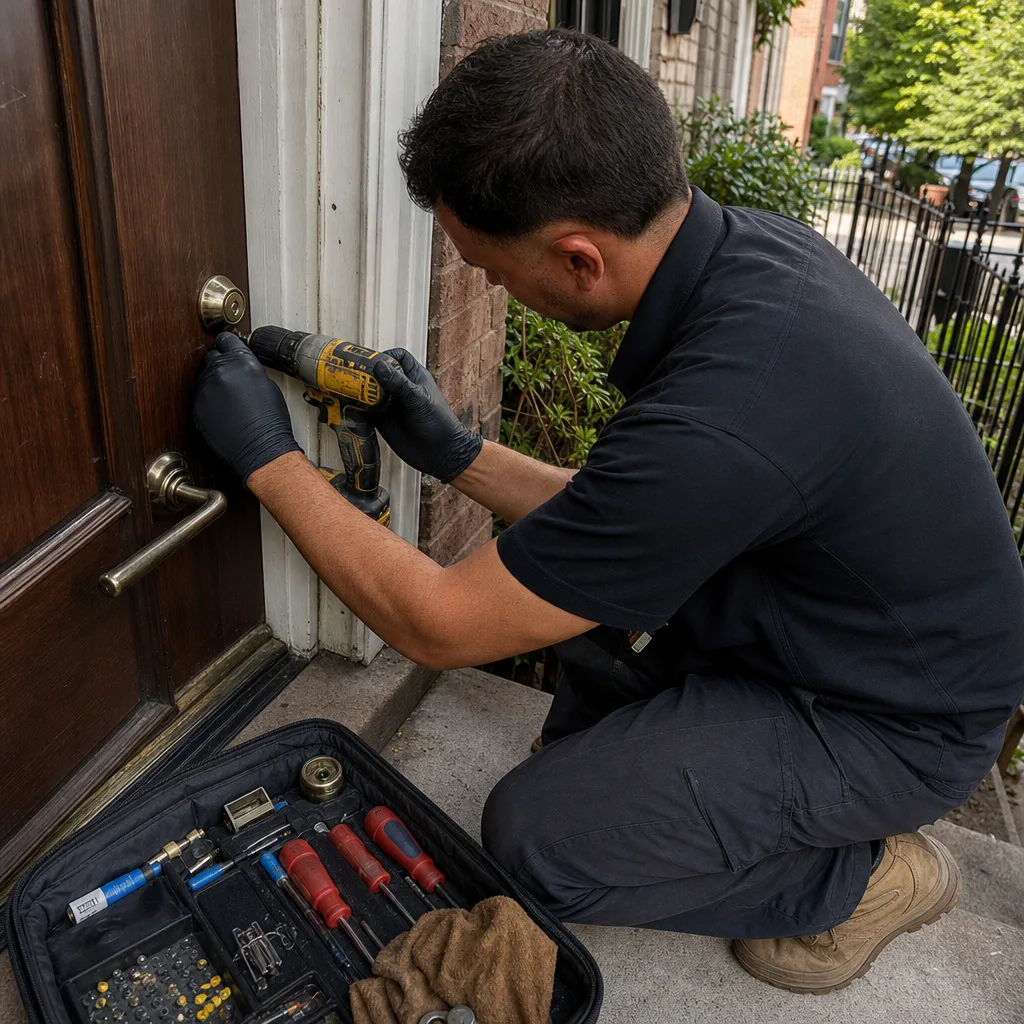
Yes. Automotive lockout calls are handled as urgent dispatches. Calls are answered by a live person around the clock, every day of the year – no voicemail, no callback window. When you call (331) 310-8471, the dispatcher will give you an arrival window and the name of the technician heading your way, along with a text when they’re en route.
It is. The dispatcher quotes a firm price before anyone is dispatched, and the technician is not permitted to change that number when they arrive. This is the rule the business was built on in 2002, and it applies to every job, including lockouts. There is no call-out surcharge added on arrival, and no door-step upsell. What you hear on the phone is what appears on the invoice.
When it’s done correctly with the right tools, no. Our technicians use automotive entry equipment designed for your specific vehicle type – tools that work with the door’s geometry rather than against it. Damage happens when people use improvised tools, excessive force, or wedge objects near the door frame without knowing where the airbag sensors and wiring run. That’s exactly why a trained technician is worth calling instead of attempting it yourself.
Technically you can wait if you have another way to unlock the car, but leaving a broken key fragment inside a cylinder causes additional wear on the cylinder pins every time the door is used, and the fragment can shift deeper over time, making extraction harder. If the broken key is your only way to start the vehicle, this cannot wait – you need the fragment extracted and a replacement key cut before the car is driveable. Call (331) 310-8471 and a technician can assess the situation and give you a written price before any work starts.
Get It Fixed
Call (331) 310-8471 right now – a live person answers every call, day or night. Your local Novak Lock & Security team will give you a firm price on the phone, send a background-checked, uniformed technician, and back the work with the 365-Day Done Right Promise. You can also book online if you prefer.
Written by Daniel Novak, Owner at Novak Lock & Security, serving communities nationwide since 2002.
What Our Customers Say
"Quoted forty-five on the phone, paid forty-five at the door. I had been burned by a company that quoted nineteen and then wanted three hundred."
- Theresa Q."Rekeyed the whole house after we bought it. He showed me the old pins and explained how many keys had likely been cut over the years."
- Omar J."Honest. Told me the existing deadbolt was good quality and only needed the strike plate reinforcing."
- Sal V.