
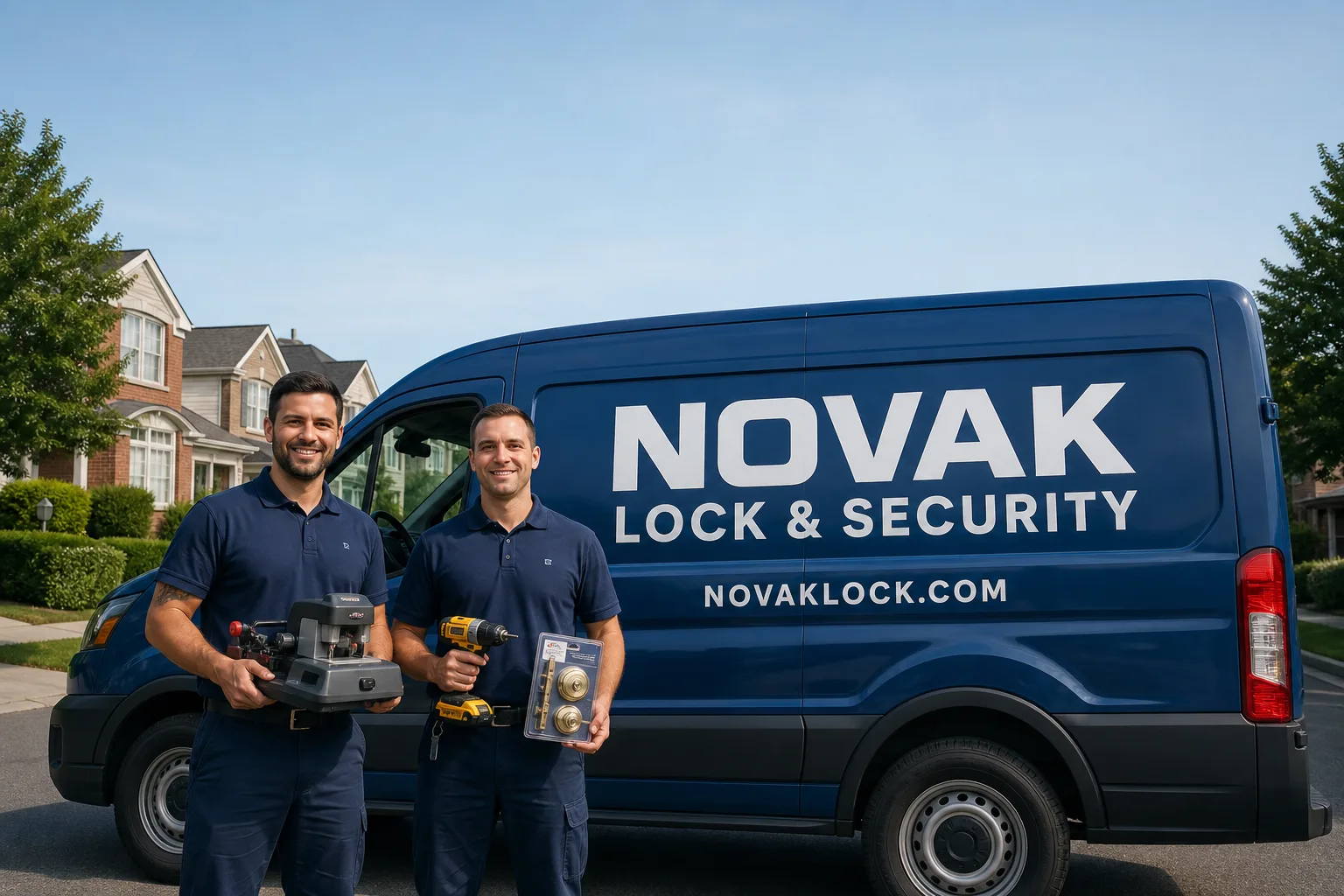
Non-destructive entry first, always - and we re-key Schlage, Kwikset, and Baldwin locks on the spot while you watch
You get a price before we start. It does not change when we arrive. No surprises.
Lost the Only Key to a Safe
Losing the only key to a safe doesn’t lock you out permanently. A trained locksmith can open most residential and commercial safes without the key, rekey the lock cylinder, or cut a new key from the lock’s existing code – and in most cases, that happens in a single visit without damaging the safe or voiding any warranty.
What you’re facing right now depends on one thing: what kind of lock is on your safe. Keyed safes fall into a few distinct categories – tubular key locks, flat-key cam locks, and high-security cylinder locks – and each one has a specific opening method. The good news is that a locksmith who works on safes regularly will look at your lock, tell you exactly what method applies, and quote you a firm price before touching anything. That’s not a courtesy; that’s how this process is supposed to work.
Why It Happens
The Key Was Lost or Never Duplicated
Most residential safes ship with two keys and most people file one away as a spare – and then can’t remember where. Over time, both keys end up in the same drawer, one goes missing during a move, and the spare turns out to be for a different safe entirely. If your safe opens smoothly when you had the key and now simply won’t because the key is gone, this is your situation. There’s nothing wrong with the lock itself; it’s a key-origination job.
The Cylinder Has Seized from Disuse
Safes stored in garages, basements, or storage units are routinely ignored for years. The lock cylinder collects dust and the internal pins can corrode slightly or simply stiffen from lack of lubrication. You’ll recognize this because the keyhole looks intact but the cylinder doesn’t turn even when you try the original key – or a spare you found. A technician can typically clean and free a seized cylinder, then rekey it so a fresh key is cut.
The Key Was Broken or Worn Down
Safe keys are often made from softer metal than standard door lock keys, and they wear faster under repeated use. If you used the key regularly over several years, the key itself may have worn to the point where it no longer engages the pins cleanly – and if someone forced a worn key, it may have snapped inside the keyway. If you can see a broken key tip in the keyhole when you shine a flashlight at it, stop inserting anything else. Call a locksmith; extracting a broken key from a safe cylinder requires the right tools and a clear view of what’s inside.
The Lock Cylinder Is Faulty or Has Been Tampered With
Less common but worth naming: some budget safes ship with low-tolerance lock cylinders that fail outright within a few years. You may also be looking at a safe that someone else attempted to open without a key – look for scratches around the keyway, a keyhole that looks wider or deformed, or a cylinder that spins freely without engaging anything. If the lock looks disturbed, photograph it before calling. That documentation matters both for the locksmith and for any insurance claim.
What to Do Right Now
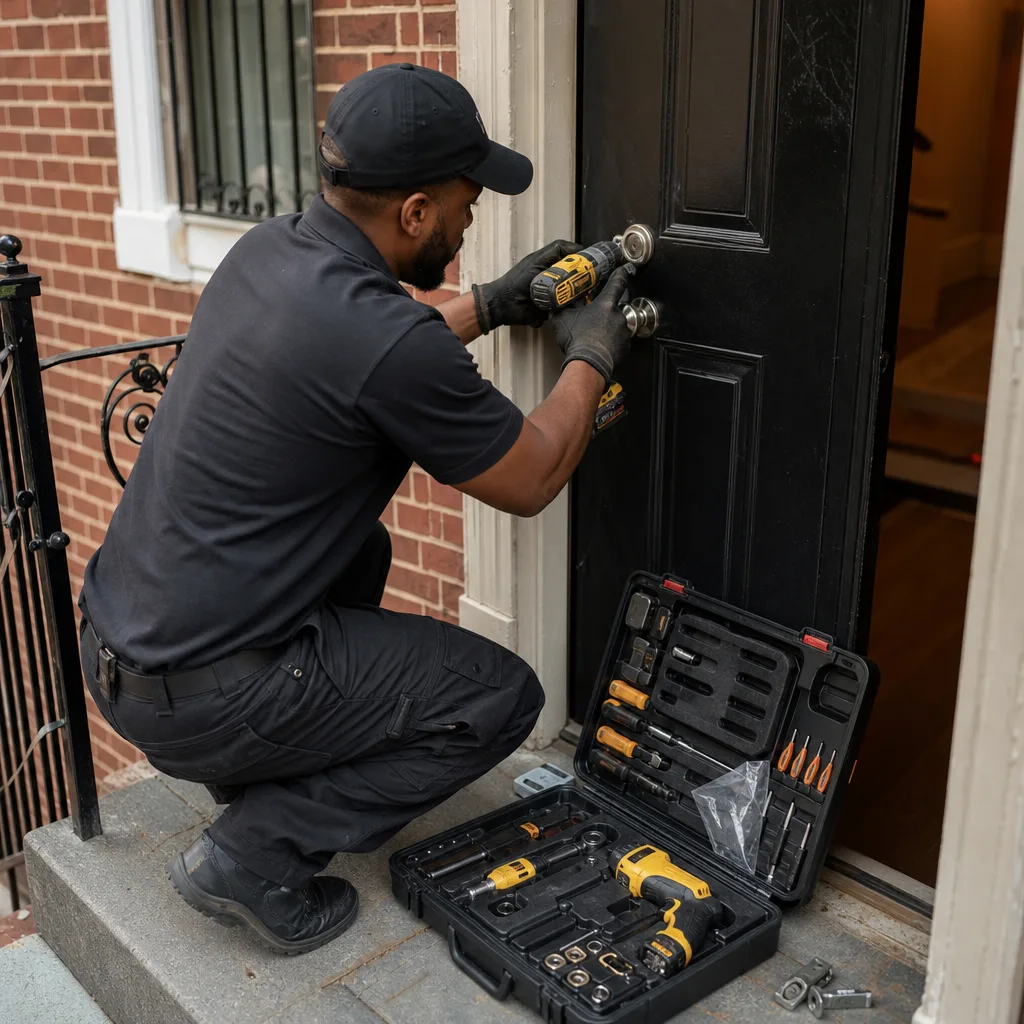
- Stop forcing it. Inserting a pen, a paper clip, or a random key that almost fits is the fastest way to damage the cylinder and turn a straightforward job into a more involved one. Set the safe aside and don’t put anything else in the keyhole.
- Check the serial number plate. Most safes have a manufacturer’s label or stamped serial number on the back or inside the door frame. Some manufacturers can issue a replacement key from that number directly – worth a two-minute look before anything else.
- Look for any documentation that came with the safe. Manufacturer paperwork, original receipts, or a registered owner card sometimes includes the key code. That code is all a locksmith needs to cut a working key without touching the lock.
- Photograph the keyhole and the exterior of the lock before anyone arrives. This takes thirty seconds and creates a clear record of the safe’s condition at the start of the job – useful if there’s any question later about what was found versus what was caused.
- Don’t attempt to drill or pry the safe open yourself. Safe bodies are designed to resist exactly that, and an unsuccessful attempt can warp the bolt mechanism in ways that make a professional opening significantly harder and more expensive. If the contents are urgent, call a locksmith who works on safes and explain what you’re dealing with.
How We Fix It
When your local Novak Lock & Security technician arrives, the first thing they do is assess the lock type and confirm the opening method before any tools come out. For most keyed safes, this is either a key origination from code, an impressioning procedure, or – where the cylinder is too worn or damaged to rekey cleanly – a cylinder replacement with new keys cut on the spot.
The technician will quote you a firm, written price for that specific method before starting. That price is the one on the invoice; there’s no separate call-out charge added at the door and no mid-job revision. The whole visit typically resolves in a single appointment. Where a new cylinder is needed, the technician carries common replacement parts and can fit a fresh one the same visit.
All work is backed by the 365-Day Done Right Promise: if it’s not done right, we make it right. The visit is also documented with a photo record you keep – part of The Haven Standard applied to every Novak job since 2002.
The service that covers this is Residential Locksmith, and if the safe is located in an office or commercial space, Commercial Locksmith applies. Either way, the process is the same: written price first, work second, documented record third.
Frequently Asked Questions
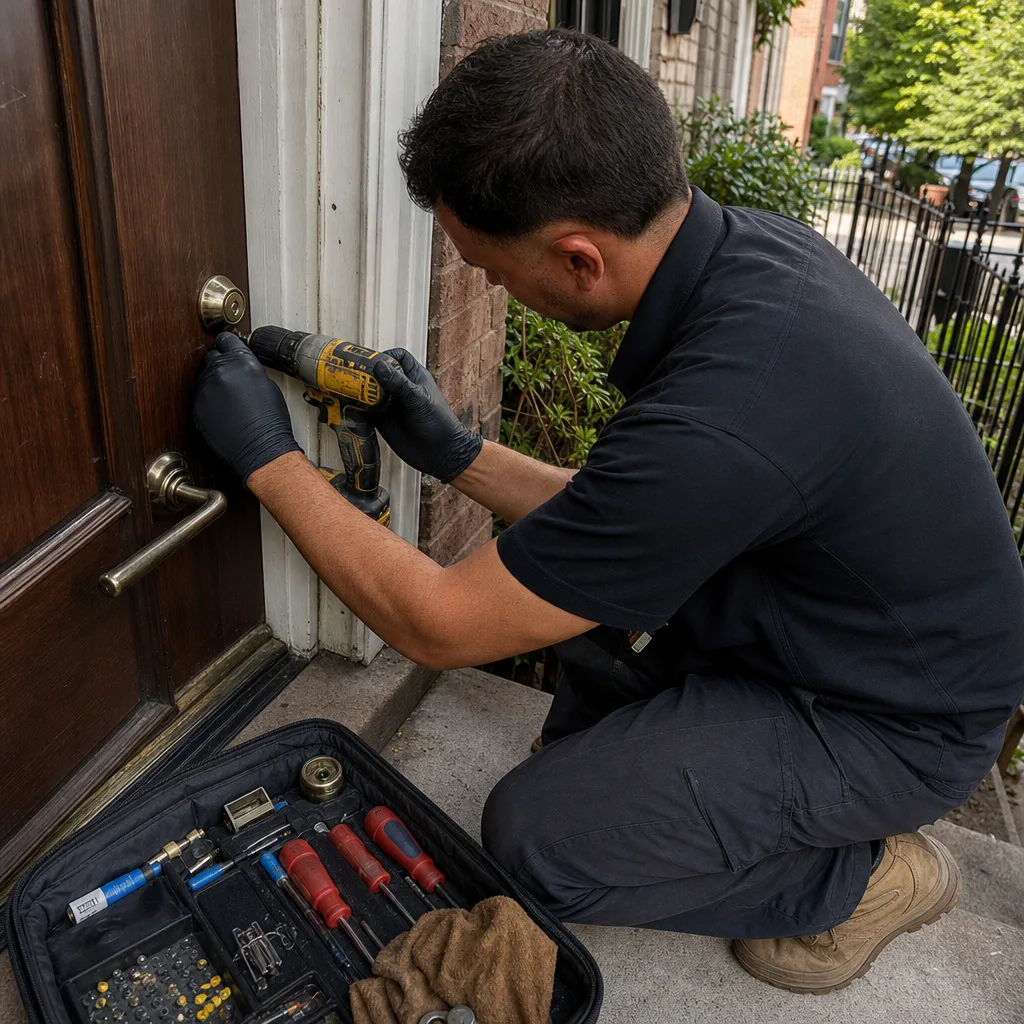
In most cases, drilling is not the first option. A trained locksmith uses the lock’s own mechanics – picking the cylinder, impressioning a new key, or decoding the lock from the serial number – to open the safe without damage. Drilling is reserved for situations where the cylinder is completely destroyed or where a high-security safe has no other viable entry point. Your technician will tell you which method applies and what it costs before starting.
A locked safe isn’t a safety hazard, but “can it wait” depends entirely on what’s inside. If the safe holds medications, legal documents with a deadline, a firearm you can’t access in an emergency, or anything else you need today, don’t wait. Call (331) 310-8471 and your local Novak team will work out the fastest available appointment. If the contents aren’t urgent, you can book at a time that works for you – but there’s no benefit to waiting once you know the key is gone for good.
Our phones are answered by a live person around the clock, every day of the year – no voicemail, no callback window. Call (331) 310-8471 now and the dispatcher will tell you exactly what’s available in your area and give you a firm price before anyone is sent out. Same-day service is our goal whenever parts and scheduling allow.
The phone price is always the final price – this has been the rule at Novak Lock & Security since 2002 and it’s written into how every job is dispatched. The dispatcher quotes the price; the technician is not permitted to change it at the door. Because safe opening varies by lock type and method, we give you an exact figure after a quick description of your safe over the phone, and that number goes on the written scope before any work starts. Call (331) 310-8471 for a no-obligation quote.
Get It Fixed
Call (331) 310-8471 now – a live person answers every call, day or night. Your local Novak Lock & Security team will quote a firm price on the phone, send a background-checked, uniformed technician, and have your safe accessible with a documented record of everything done.
Written by Daniel Novak, Owner at Novak Lock & Security, serving communities nationwide since 2002.
What Our Customers Say
"Honest. Told me the existing deadbolt was good quality and only needed the strike plate reinforcing."
- Sal V."Fast, polite, and carried identification without being asked. Would use again."
- Grant W."Locked out at eleven at night. A person answered, gave me a time and a name, and both were right."
- Franklin D.