
Non-destructive entry first, always - and we re-key Schlage, Kwikset, and Baldwin locks on the spot while you watch
You get a price before we start. It does not change when we arrive. No surprises.
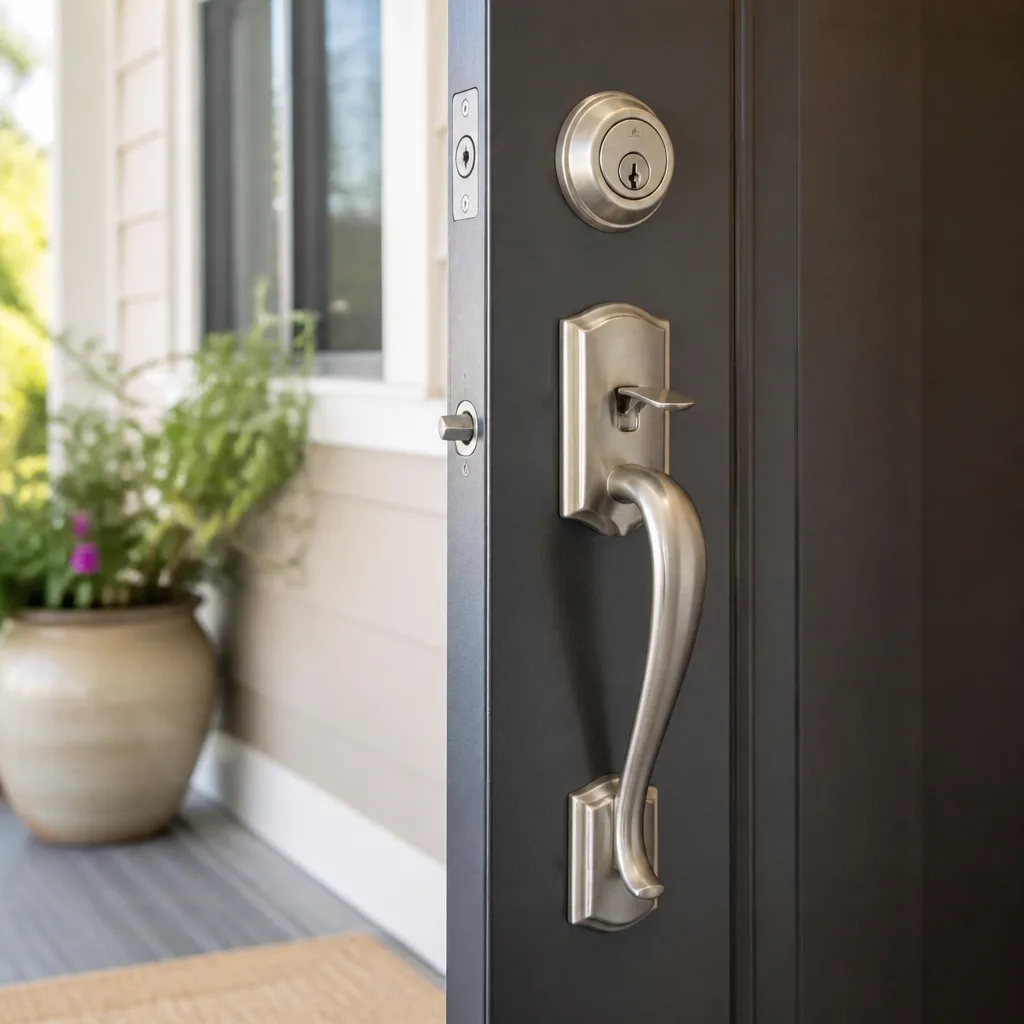
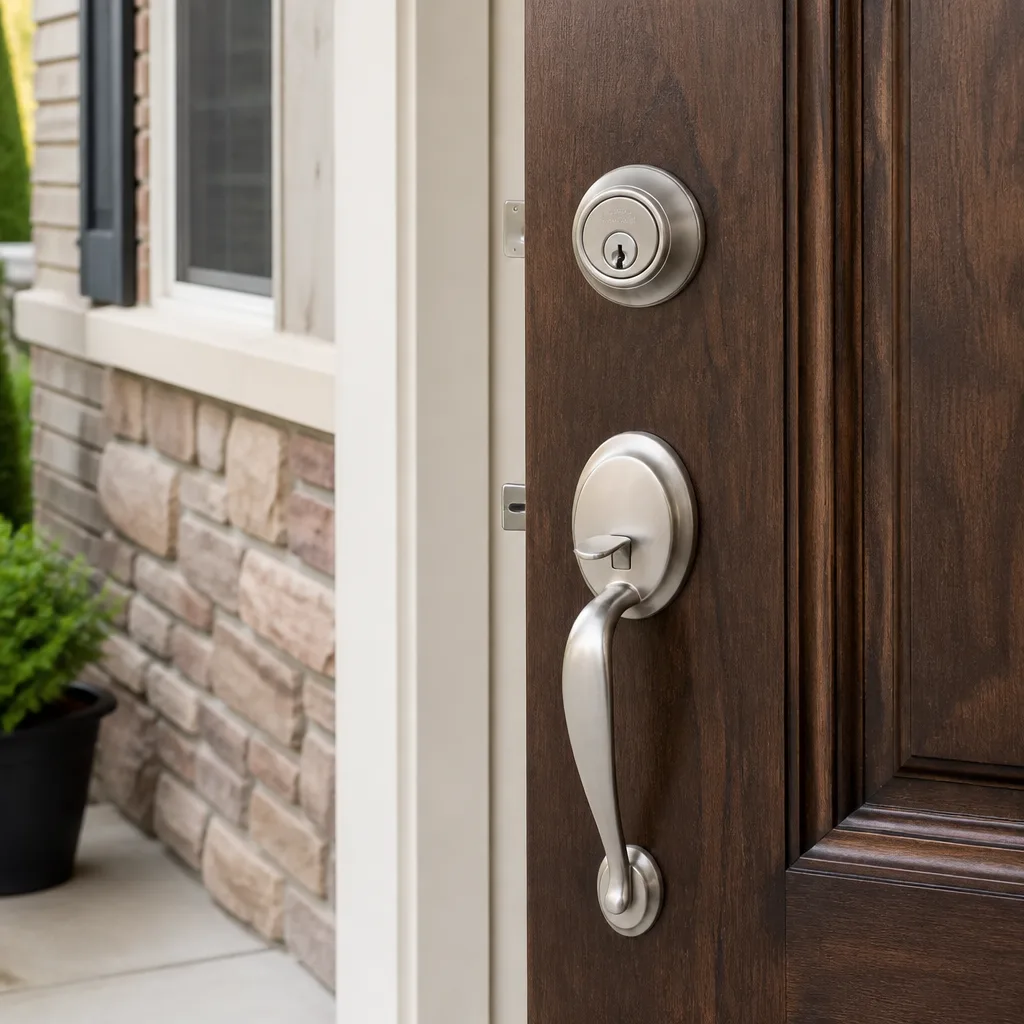
Schlage Master Key Systems: The New York City Owner’s Guide
We install and service Schlage master key systems throughout New York City, with most new installations running $1,200-$3,800 depending on door count and cylinder grade, and rekey-to-master conversions typically $800-$2,400. We stock Schlage-compatible master key cylinders, cores, and key blanks on our trucks, so same-day or next-day service is realistic for most five borough buildings. Most owners discover they need us when a superintendent quits with the only master key, a tenant changes the locks without telling management, or a building changes hands and no one can say who holds keys to which doors.
This is not a product page from Schlage. We are an independent locksmith in New York City, and we install, repair, and expand Schlage master key systems on the service side: the cylinders, pinned cores, key schedules, and restricted keyways that make a master key system actually work day to day.
Which Schlage Models This Applies To
Master keying works on nearly every Schlage commercial and residential cylinder we see in the field. The bulk of New York City buildings use the Schlage C keyway, which was the default for decades, so most C-keyway cylinders we encounter in prewar and mid-century buildings can be master keyed without changing the lock bodies. The newer Schlage S123 and restricted Everest keyways (the ones with the extra side milling, designed to make unauthorized duplication harder) require their own cylinders and key blanks, and cannot be cross-keyed onto standard C hardware.
The compatibility gotcha that catches owners: Schlage F-series residential knobs and deadbolts are not master key candidates in any meaningful way. Their cylinders can be rekeyed, but the platform was never built for the controlled keying and consistent tolerances a functional master key system demands. The B-series and D-series commercial cylinders, along with the AL-series (the small-format interchangeable cores used in storefronts and institutional settings), are the right base for master key work. We identify what you have by pulling the cylinder and reading the stamped code, not by guesswork.
Our recommendation, consistently: on Schlage commercial hardware, use Schlage OEM barrels and pins. Aftermarket SFIC cores in generic tolerances can feel fine at installation and develop bind and drift in six months. On a C-keyway residence or small building, a quality aftermarket pinned cylinder is acceptable for budget work, and we will say so in writing before we install anything.
Signs Your Schlage Master Key System Is Failing
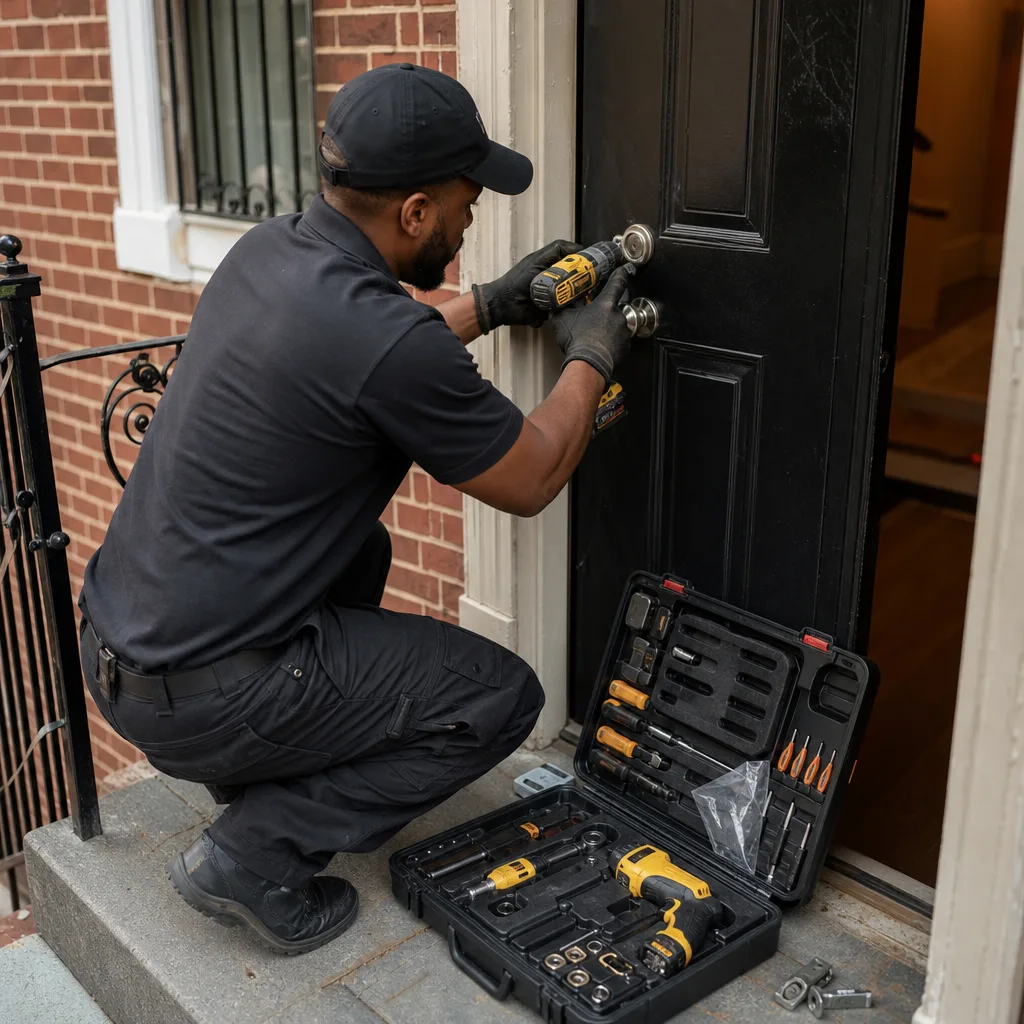
- The master key works in some locks but not others. This is almost always worn top pins in the cylinders that were oldest or most heavily used. The wear changes the pin height interaction, and the master key no longer aligns the shear line on that specific lock. The cylinder needs to be repinned or replaced, not lubricated.
- Keys have to be rocked, lifted, or pulled back a hair to turn. That is slop in the plug or a cut key that has lost its crisp edges. Master keyed cylinders amplify the effect because they have multiple shear lines and less tolerance for marginal cuts.
- The sub-master opens everything it should not. If a tenant key turns an office door it was never pinned for, the system’s key schedule has been compromised, usually because someone rekeyed a cylinder wrong or keyed a new lock alike by mistake. This is a security issue, not a maintenance one.
- New duplicate keys do not work in a cylinder. A master keyed system depends on every key being cut to the exact depths the cross-keying matrix specifies. A generic hardware store duplicator that shaves a thousandth off each cut will produce a key that fails in half the system and works in the rest.
- A cylinder spins freely or the key turns without operating the latch. The tailpiece is broken or the cylinder retaining cap has backed off. Either one takes the Schlage part out of the system, and no key, master or change, will operate that door until the cylinder is serviced.
Replacement Cost & What’s Included
A full Schlage master key system install in New York City runs $1,200-$3,800, with the spread driven by door count, whether the existing hardware is Schlage commercial or needs cylinder upgrades, and whether the owner wants a restricted keyway or standard C keyway. A rekey-to-master on an existing Schlage system typically lands between $800 and $2,400. Per-cylinder work (adding a door, replacing a worn cylinder) runs $45-$95 per cylinder, parts included.
Every job includes the written price before we start (Haven Standard Clause 1: the price on the phone is the price on the invoice), the pinning chart for the key schedule, and a documented photo record when we leave. We do not charge a call-out fee to arrive, and the per-cylinder price is a flat number, not an estimate we adjust after we open the door. Daniel Novak has been building these systems across the five boroughs for going on two decades, and the key schedules we hand over are the kind a new super or a new owner can actually read.
DIY or Call Us?
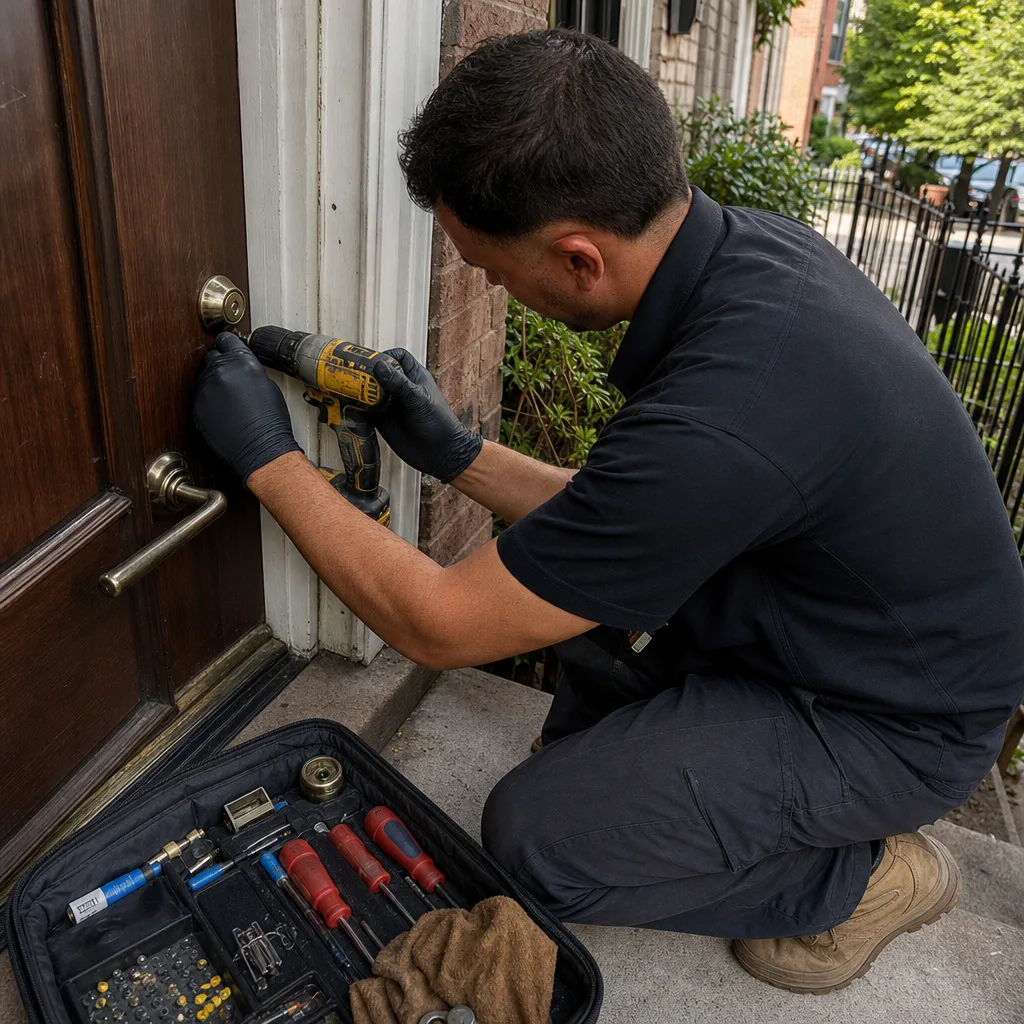
Master keying is not a Saturday DIY project. It requires rekeying and machining cylinders to precise depths, sometimes including a second shear line, and getting that wrong means doors that open with keys they should not open or that stop opening with the keys they should. There is also a security aspect: anyone who has seen the pinning math can derive the master key and cut one at a locksmith supply counter.
What you can do safely: record every door, lock type, and who currently holds keys. That inventory is genuinely useful and saves time when we start. But the pinning, the key schedule, and the cylinder work should be done by someone who has seen what a New York City apartment door goes through in ten years of weather, slamming, and tenant turnover. If you have a Schlage system that is failing or a building that needs one, call (331) 310-8471 and we will tell you what we would do and what it will cost in writing before anyone comes out.
FAQs
A properly installed Schlage master key system in New York City typically lasts 10-15 years before cylinders need repinning, but the keys themselves wear out in 3-5 years under daily use, and the key schedule usually needs revision much sooner as staff and tenants turn over. The weak point in our experience is not the Schlage hardware but the administrative discipline, which is why we hand over a written pinning chart so the next key change is not a guessing game.
In most cases, a worn or misaligned Schlage cylinder in a master key system can be rebuilt: new pins, new springs, and a fresh top pin stack will restore it to the key schedule, at a lower cost than replacing the cylinder. If the plug itself is worn, the body is cracked, or the cylinder is a restricted keyway no longer supported, replacement is the honest call, and we will show you the part before we replace it.
For a typical New York City brownstone or small apartment building with 10-20 cylinders, a rekey-to-master takes 2-4 hours on site, including key cutting and documentation. A full new master key system with key schedule planning, cylinder installation, and tenant key distribution is usually done in a single day for buildings up to 40 doors, and larger jobs are scheduled in clear sections. We do not give you a half-finished system: every door works before we leave.
We keep Schlage C-keyway pins, springs, cylinders, tailpieces, and key blanks on our service vehicles, and we maintain an S123 and Everest restricted keyway inventory at our shop for scheduled work. If a part is not on the truck, we can usually have it installed next day. We also stock Kwikset and Medeco parts for buildings running mixed hardware.
Written by Daniel Novak, Owner, Novak Lock & Security at Novak Lock & Security, serving New York City and nearby areas.