
Non-destructive entry first, always - and we re-key Schlage, Kwikset, and Baldwin locks on the spot while you watch
You get a price before we start. It does not change when we arrive. No surprises.
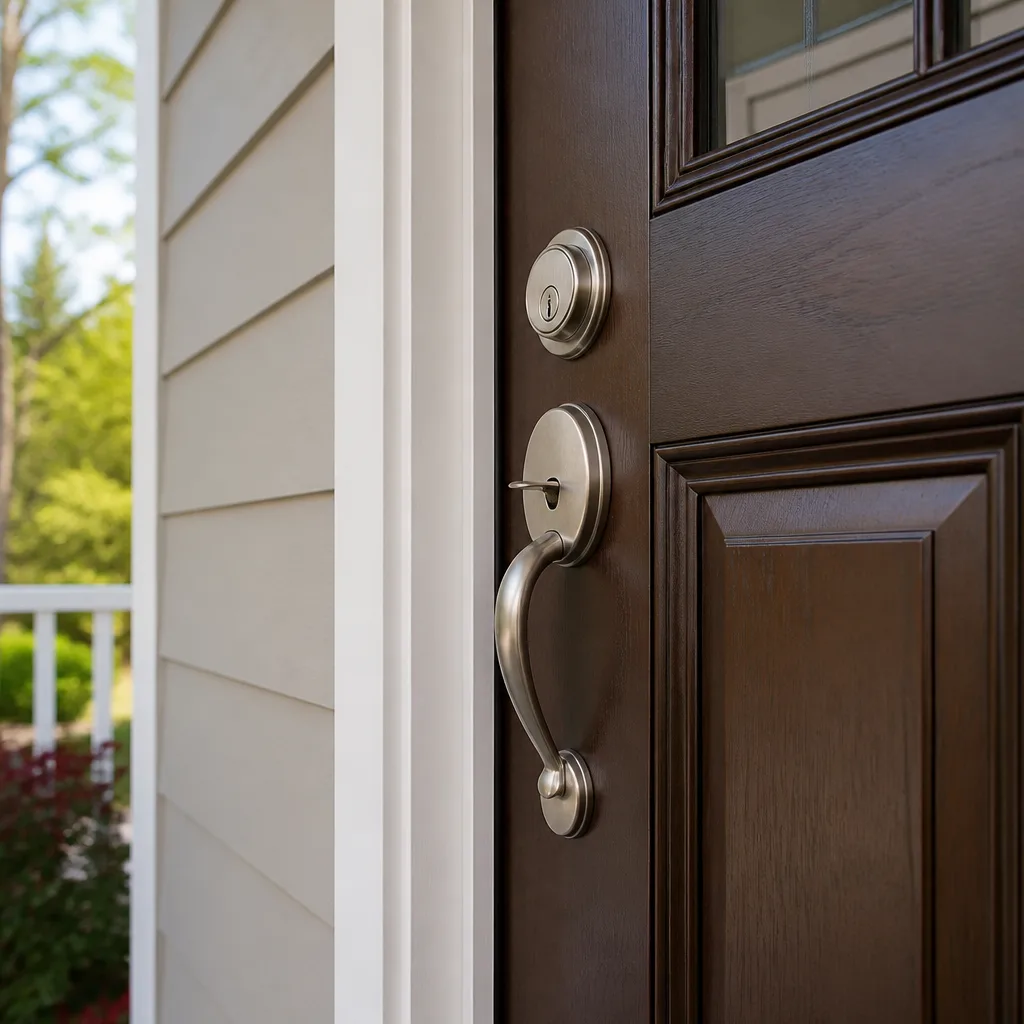
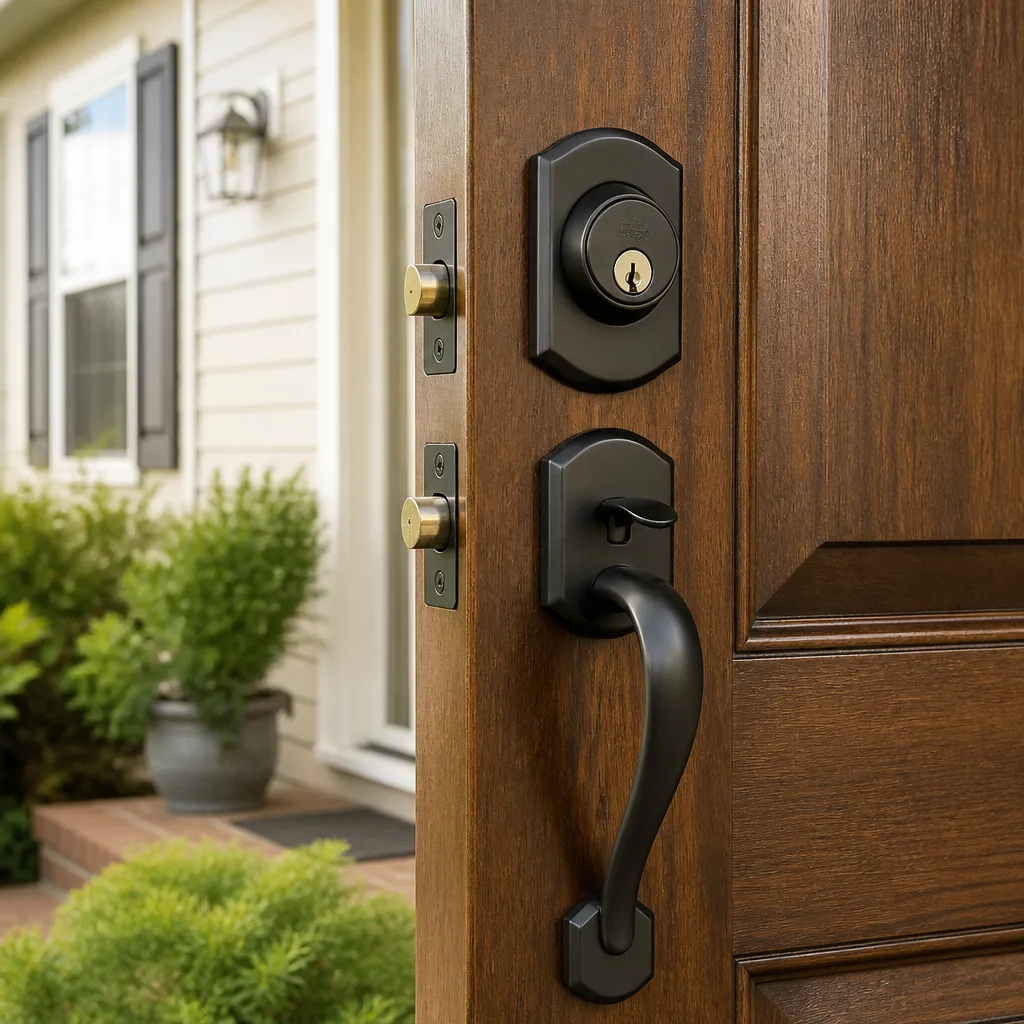
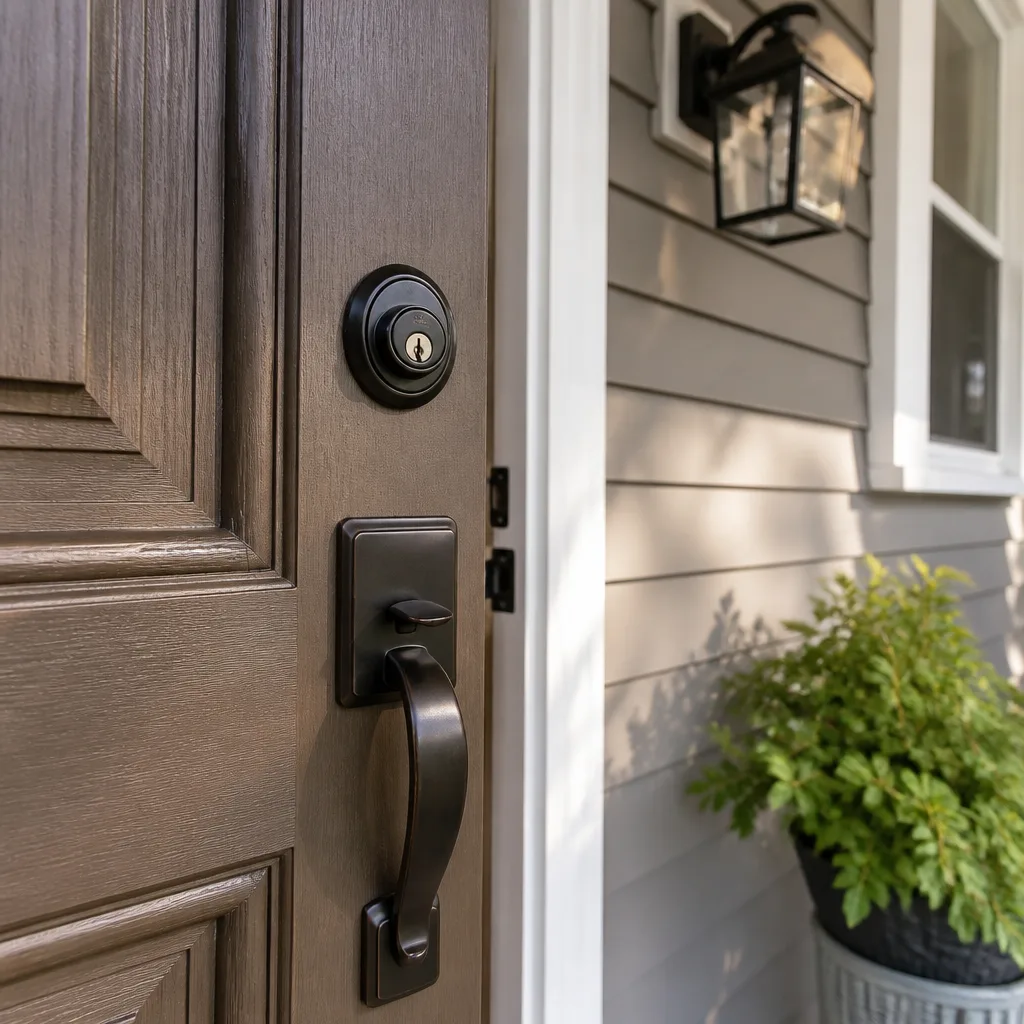
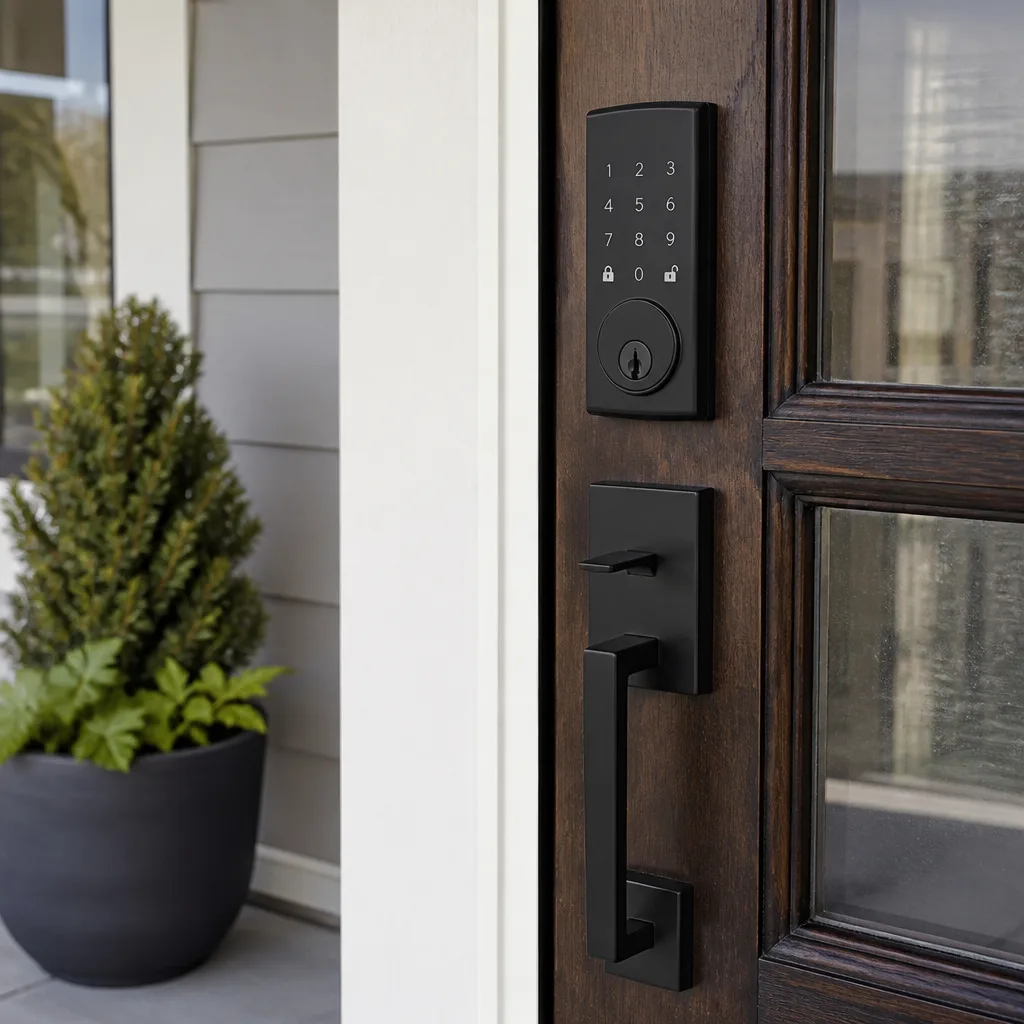
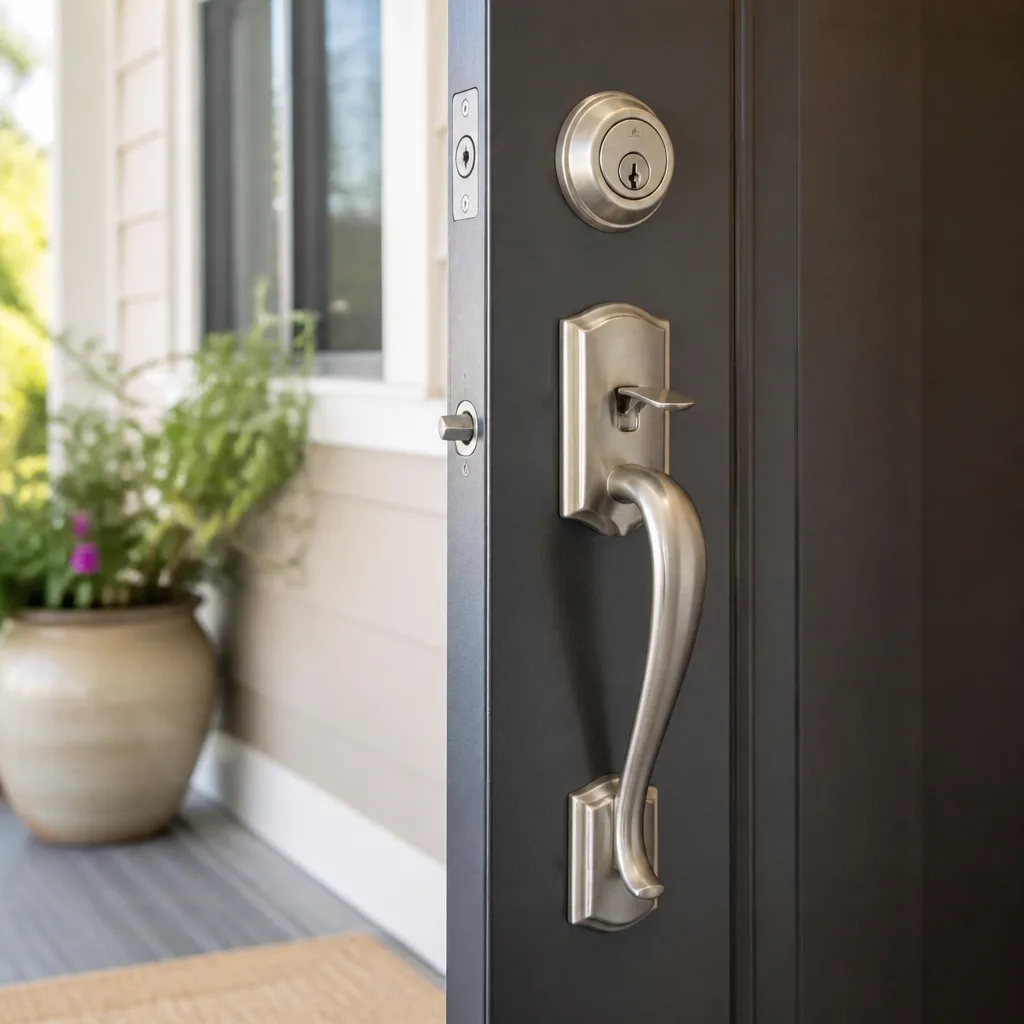
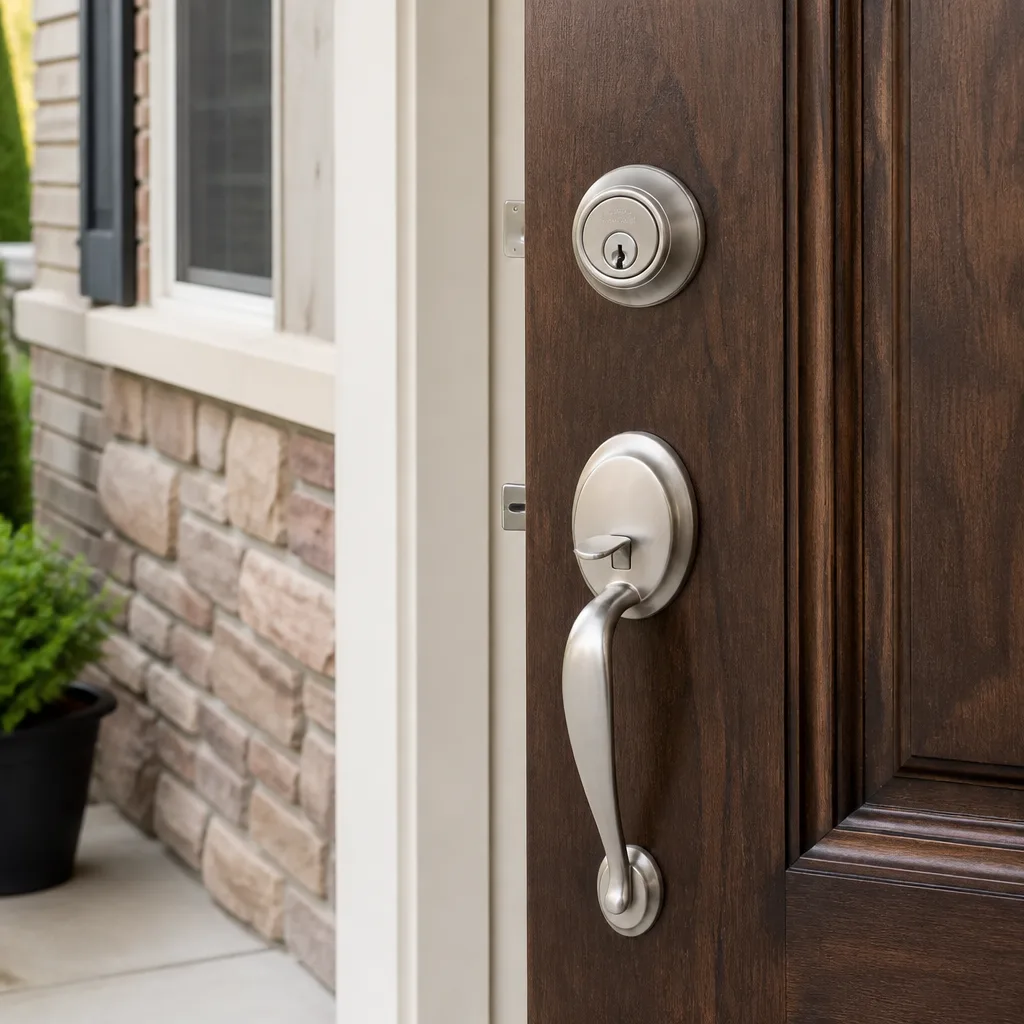

Mul-T-Lock Master Key Systems: The New York City Owner’s Guide
Mul-T-Lock master key system installation in New York City typically runs $1,800-$4,500 for a complete commercial setup, or $95-$185 per cylinder when retrofitting existing Mul-T-Lock hardware into a new master key hierarchy. We stock Mul-T-Lock cylinders, cores, and key blanks on the truck and can usually complete a retrofit the same day. Master key system failure usually shows up as keys that work on some doors but not others, keys that stick partway through the turn, or a building super who suddenly can’t open units they opened last week.
Most owners discover their master key system needs attention when a tenant reports a key working intermittently, or when a staff member quits and nobody knows which doors their key actually opened. That’s the moment the system’s documentation matters as much as the hardware.
Which Mul-T-Lock Models This Applies To
Mul-T-Lock master key systems are built on their pin-in-pin cylinder platform, which appears across the Classic, ClassicPro, Integrator, MT5, and MT5+ lines. The cylinder core is the heart of the system: a telescopic pin arrangement that requires both the outer pin and the inner pin to align before the plug rotates. That’s why a Mul-T-Lock key looks like it has a dimpled cross pattern rather than a standard serrated edge.
The compatibility gotcha most New York building owners run into: a Mul-T-Lock key marked “CL” fits the Classic platform only. It will not turn in an MT5 cylinder, even if the key profile looks nearly identical at a glance. The master key hierarchy is cut into the key itself, not the cylinder, so when someone hands us a worn copy of a master key and says “just duplicate it,” we check the key code stamp first. Mul-T-Lock key blanks are patented and restricted, which means Duane Reade and neighborhood hardware stops can’t cut them. That restriction is the point: it’s what prevents a tenant from walking into a random shop with a “do not duplicate” key and walking out with a working copy.
OEM Mul-T-Lock parts come through authorized channels. Aftermarket equivalents exist for some trim pieces and collars, but for cylinders, cores, and keys, we use OEM only. The tolerance on a pin-in-pin system is tight enough that a slightly off aftermarket pin destroys the key’s ability to turn smoothly. In New York City weather, where salt air from the rivers and humidity swings between August and February cause brass cylinders to expand and contract, OEM metallurgy is the difference between a cylinder that lasts 8 years and one that seizes in 3.
Signs Your Mul-T-Lock Master Key Systems Is Failing
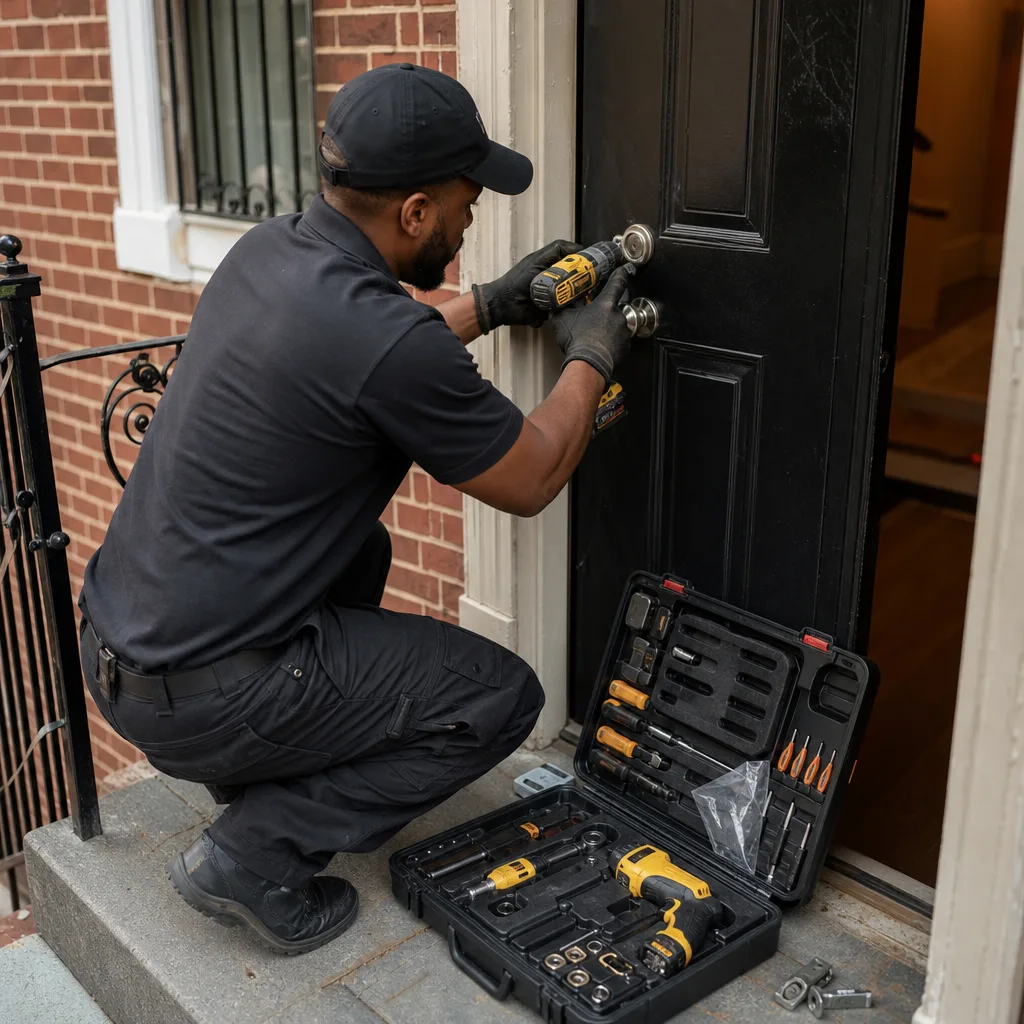
- Key turns partway, then stops. This is almost always a worn or bent inner pin. The outer pin aligns, the inner pin doesn’t, and the plug locks up. A dry cylinder makes it worse. A drop of graphite buys time; replacing the core fixes it.
- Master key works on some locks but not others in the same door. This points to a hierarchy problem, not a hardware problem. Someone rekeyed a cylinder without the master wafer, or a cylinder was swapped from a different part of the building. It needs a documented rekey, not a new key.
- Key is hard to insert or remove. Bent key, worn keyway, or accumulated debris in the pin chambers. Mul-T-Lock keyways are tighter than Schlage or Kwikset, so even a small amount of grit makes insertion feel rough. Blowing it out with compressed air helps short term; the real fix is cleaning the cylinder or replacing the core.
- Tenant keys open common areas they shouldn’t. That’s a system design failure. It means the original keying chart wasn’t followed, or someone added a cylinder without checking the chart. In a properly designed Mul-T-Lock hierarchy, a tenant key opens their unit and the common front door, nothing else.
- Cylinder spins without engaging. The tailpiece has slipped off or broken inside the lock body. This is more common on rim cylinders and mortise cylinders in older New York City buildings, where the lock body itself may be original to the building and the Mul-T-Lock cylinder was retrofitted in later.
Replacement Cost & What’s Included
In New York City, replacing a single Mul-T-Lock cylinder runs $95-$185 installed, which includes the cylinder, the labor to swap it, and the key cuts for whoever needs access to that door. A full master key system design and install for a small apartment building (6-12 units) typically runs $1,800-$3,200, and a larger commercial build with sub-master levels can run $3,200-$4,500. Every quote is written before we start, per Haven Standard Clause 1: the price on the phone is the price on the invoice. No call-out surcharge, no adjustment when we arrive.
What drives the range is cylinder type (Classic cores are less than Integrator or MT5+ cores), whether we’re building a new key hierarchy from scratch or fitting into an existing chart, and how many key copies the building needs. Every job includes a written scope, a documented photo record when we leave, and the 365-Day Done Right Promise: if it’s not done right, we make it right.
DIY or Call Us?
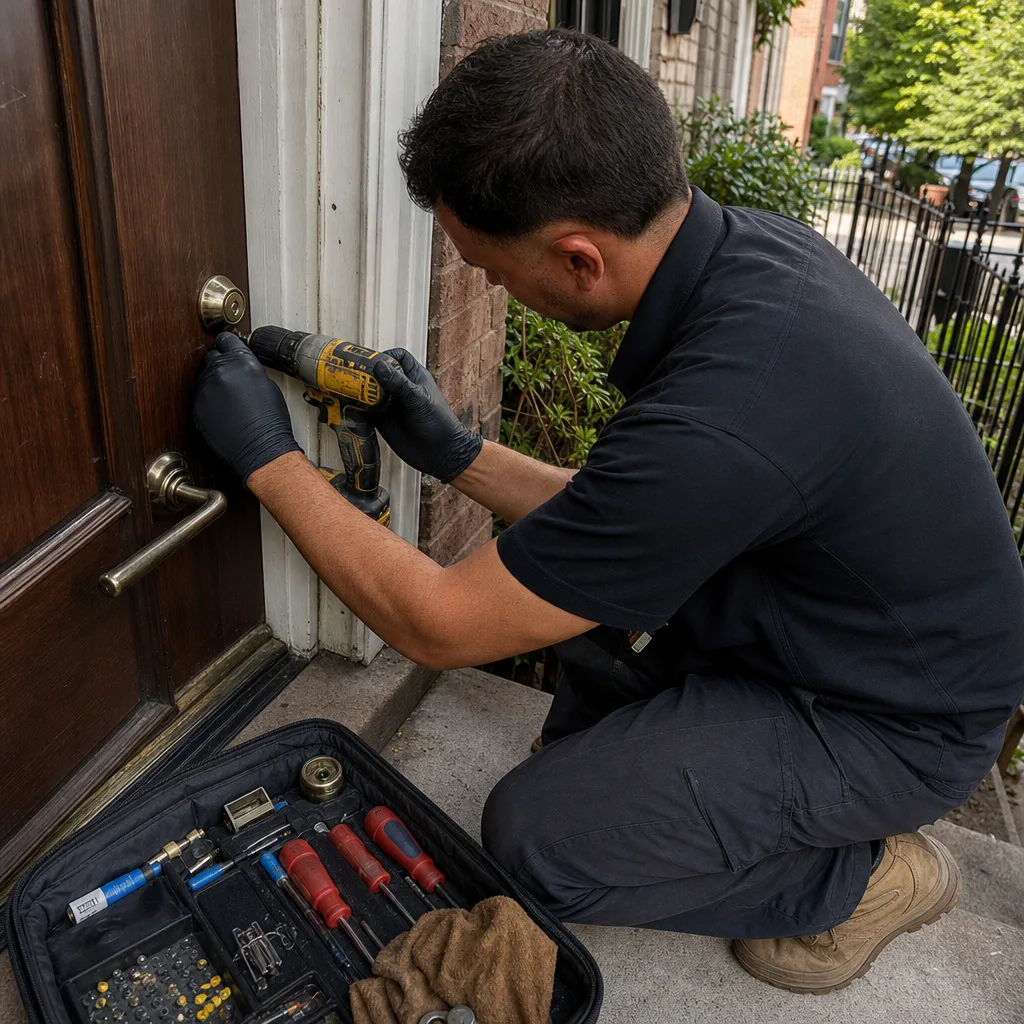
You can safely check a few things yourself: inspect your key for visible bends or flattened dimples, note which doors work and which don’t, and check if the cylinder face is loose. If the key is visibly bent, stop using it. A broken key inside a Mul-T-Lock cylinder is a much worse problem than a bent key.
What you shouldn’t do is disassemble the cylinder or attempt to extract a broken key with tweezers. The pin-in-pin mechanism has small, spring-loaded parts that come apart quickly, and a damaged core usually costs the same to replace as to repair. If the key is stuck, broken, or the cylinder spins freely, call us at (331) 310-8471. We’ll tell you over the phone what the likely fix is, what it costs, and when we can be there.
FAQs
A properly installed Mul-T-Lock cylinder typically lasts 8-10 years in New York City, with the first failure usually being internal pin wear rather than the cylinder body itself. Coastal exposure near the rivers shortens that. Higher-use doors (building entrances) wear faster than individual apartment doors. We recommend a full cylinder inspection every 3-4 years for buildings with heavy traffic.
Most failing cylinders are replaced, not repaired. The labor to disassemble, clean, and re-pin a worn core usually matches or exceeds the cost of a new core, and a repaired cylinder doesn’t give you the same lifespan as a new one. If the failure is a broken tailpiece or a loose collar, that part can be swapped without replacing the whole cylinder.
A single cylinder swap takes 20-40 minutes per door. A full building retrofit of 6-12 units takes one day. Larger commercial systems take longer depending on door count and access levels. We give you a written time estimate before we start.
Yes. We stock Mul-T-Lock Classic, ClassicPro, and MT5 cylinders, cores, tailpieces, and key blanks on the truck, along with parts for Schlage, Kwikset, and Medeco systems. Restricted key blanks require proof of ownership before we cut them, which is a Mul-T-Lock security requirement we follow to the letter.
If your Mul-T-Lock master key system is misbehaving or you need a new hierarchy designed, call (331) 310-8471 for a free estimate. We’ll give you the price before anyone is dispatched, and that price is what you’ll pay. The name on the van is the same name on the invoice.
Written by Daniel Novak, Owner, Novak Lock & Security at Novak Lock & Security, serving New York City and nearby areas.