
Non-destructive entry first, always - and we re-key Schlage, Kwikset, and Baldwin locks on the spot while you watch
You get a price before we start. It does not change when we arrive. No surprises.
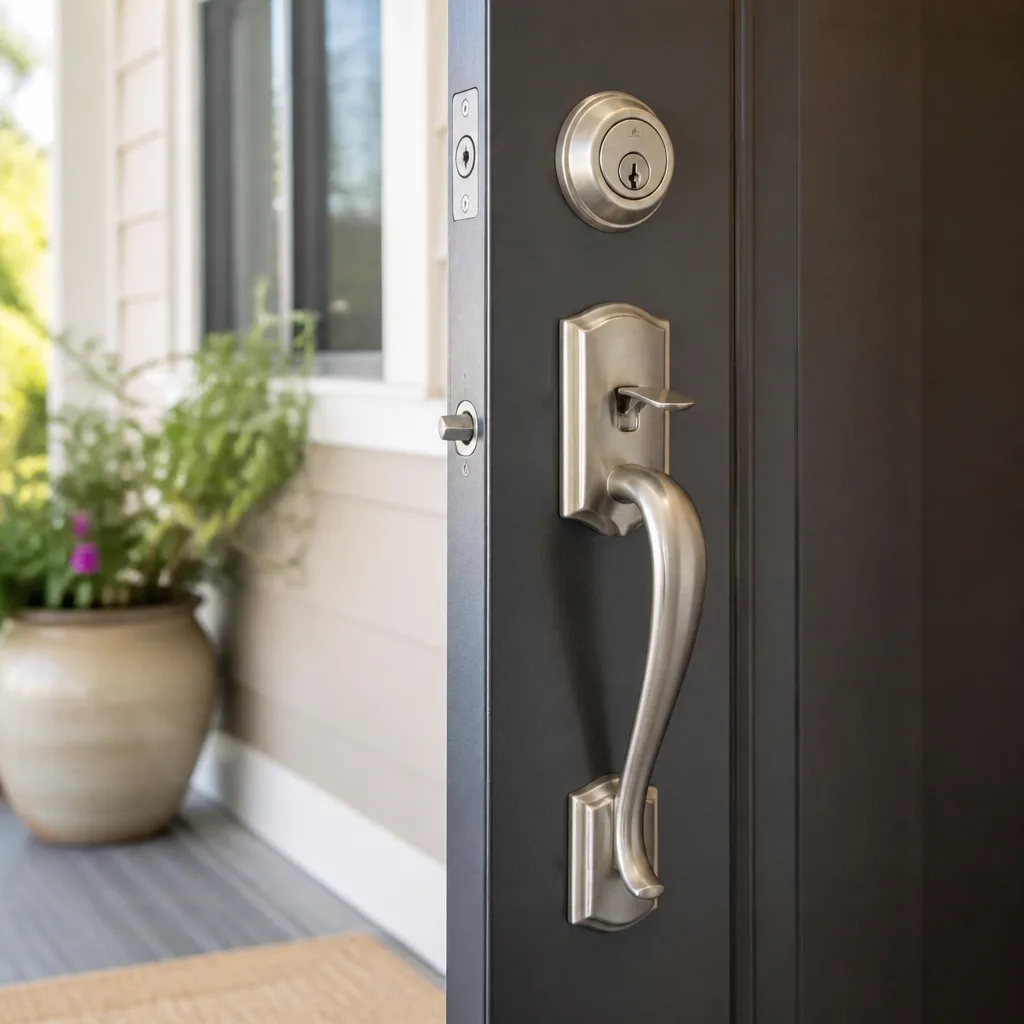
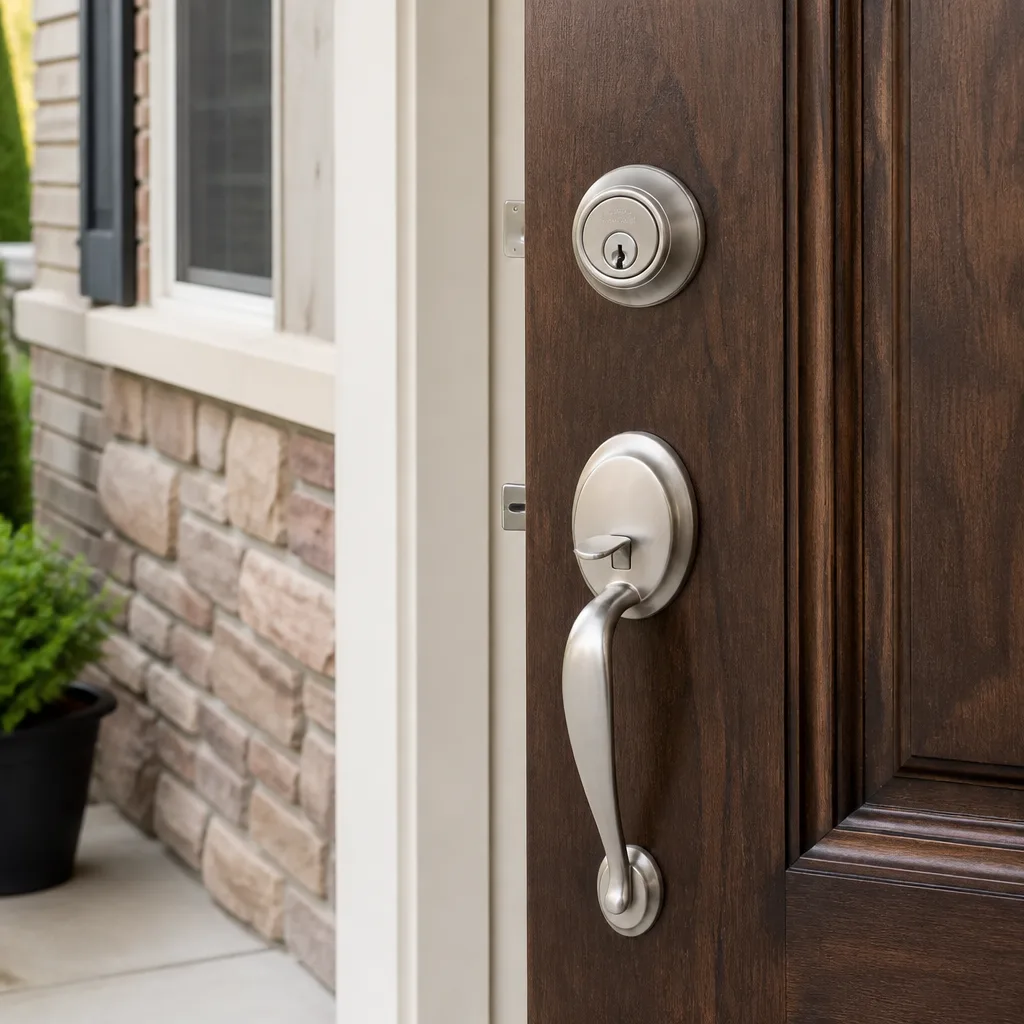
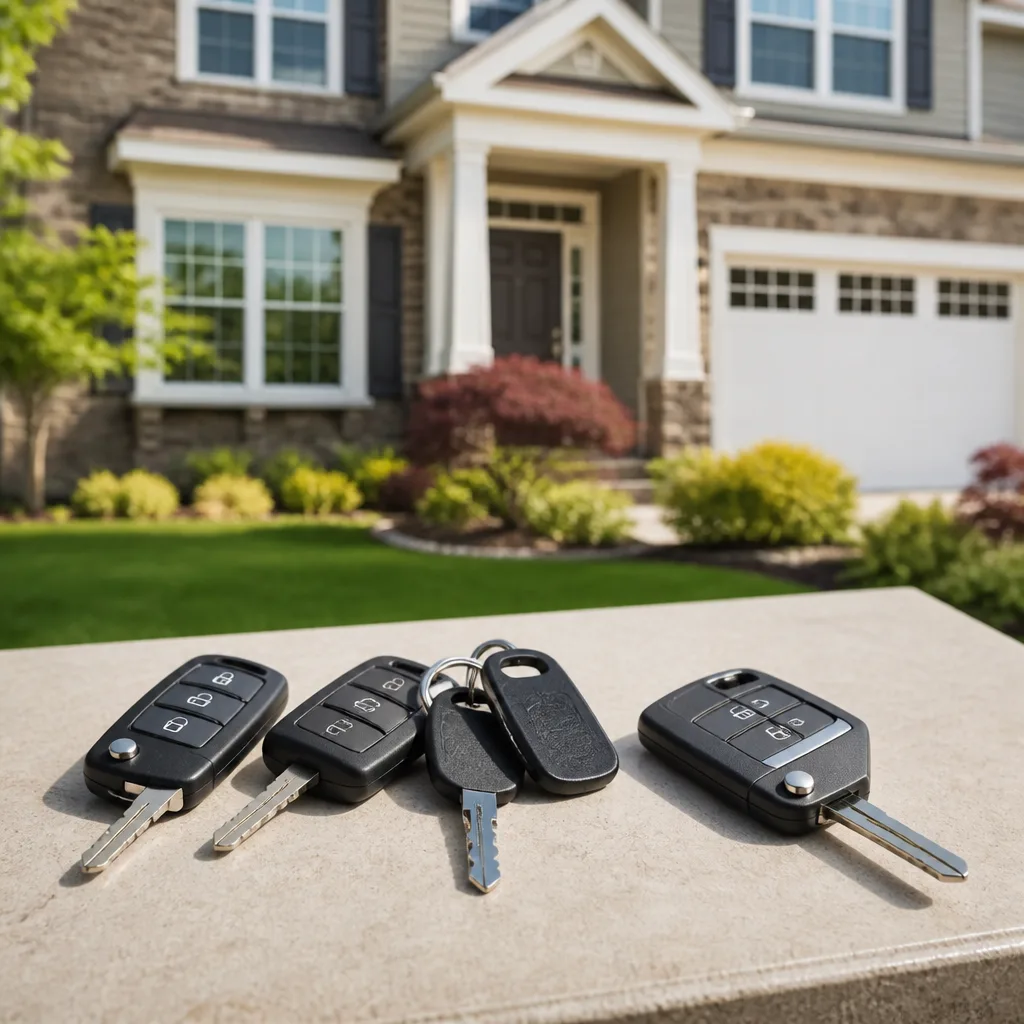
Abloy Master Key Systems: The New York City Owner’s Guide
Abloy master key systems in New York City typically cost $2,400 to $7,800 installed for a small commercial building or multi-unit residential property, depending on cylinder count, key hierarchy depth, and whether we’re keying into an existing Abloy system or building new. We stock Abloy cylinders, cores, and key blanks on our trucks, and we can usually have a replacement cylinder or new master key issued same-day if the system was originally set up with a documented key chart. Most owners discover their master key system has a problem the same way: a key that worked yesterday turns the cylinder today but won’t turn it tomorrow, or a new tenant’s key opens their unit but nothing else it should.
Master key systems fail for reasons most people never see. The cylinder wears, a spring inside the disc pack breaks, a key gets bent in a bag, or someone who left the building made a copy at a hardware store that cut the key off-spec. In New York City, where doors get opened ten times a day and keys ride in pockets with phones and coins, wear comes faster than people expect. Daniel Novak has been untangling Abloy master key systems across the five boroughs for going on two decades, and the first thing we do on any call is identify what actually failed before quoting a single dollar.
Which Abloy Models This Applies To
We service and build master key systems on the Abloy Classic, Abloy Profile, Abloy Disklock Pro, and Abloy Protec2 lines. Each series uses a different cylinder format and key blank, and they are not interchangeable. A Protec2 key will not enter a Classic cylinder. A Profile key fits only Profile cores. This matters when a building has a mix of older and newer locks, which we see constantly in New York City where a building might have original 1980s Classic cylinders on the roof door and newer Protec2 cylinders on the street entrance.
The fastest way to identify your Abloy cylinder is to look at the face of the lock. Classic and Profile cylinders have a visible keyway that looks like a half-circle with a channel cut through it. Protec2 cylinders have a distinctive D-shaped keyway with a moving disc visible at the front. The key itself tells you the series too: Classic keys have a round bow with the Abloy logo stamped in the center. Protec2 keys have a rectangular bow with a colored insert. If you have a working master key system, the key chart or system card your building received at installation is the single most important document you own. Without it, adding cylinders to the system or issuing new keys requires either decoding an existing key under magnification or replacing cylinders altogether. We tell every building owner we work with in New York City: photograph the key chart, store a digital copy, and keep the original in a fire safe.
On the OEM versus aftermarket question: for Abloy, we install OEM Abloy cylinders and cores. The disc-packing tolerances are tight enough that aftermarket cylinders cause more callbacks than they save in upfront cost. We stock OEM Abloy cylinders, cores, and blanks, and we order non-stock parts direct from our Abloy distributor with next-day delivery in New York City.
Signs Your Abloy Master Key Systems Is Failing
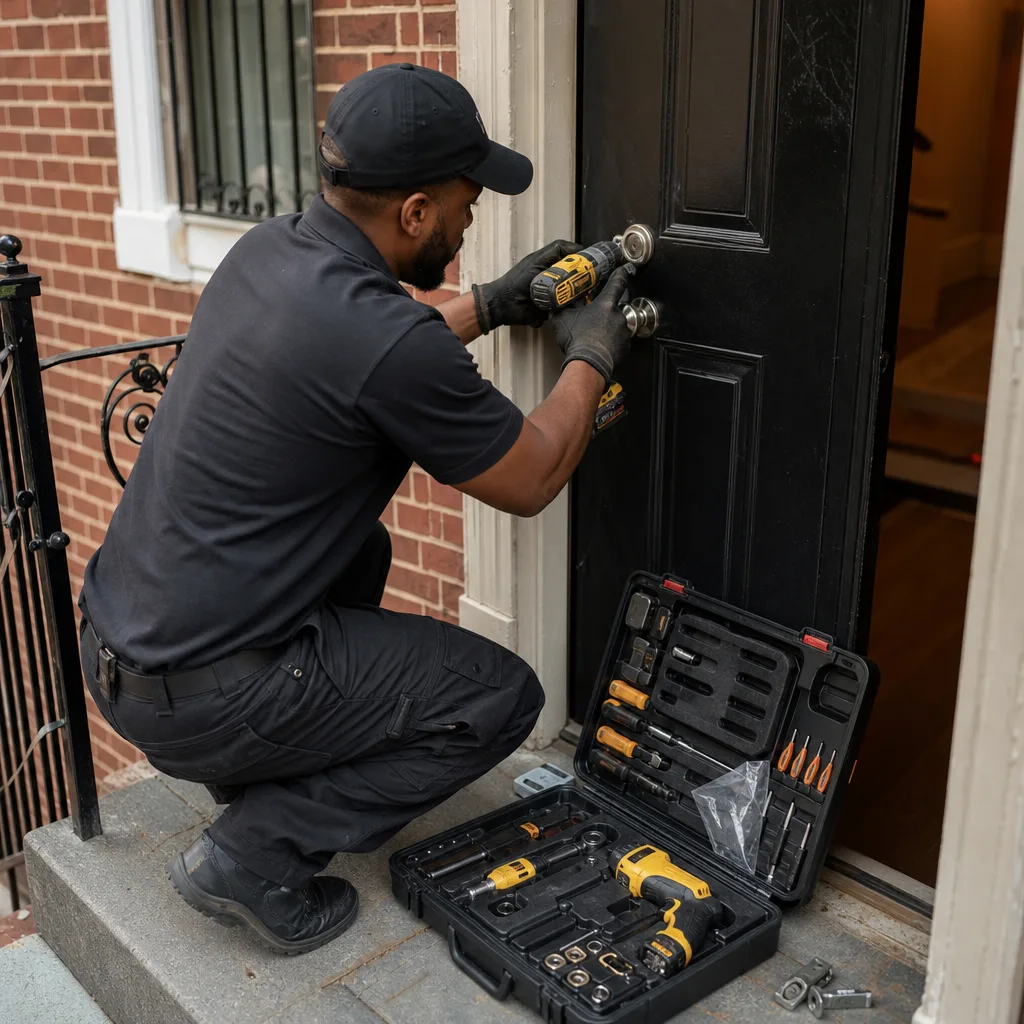
- The key turns hard or sticks halfway. Abloy cylinders use rotating discs rather than pins, and when a disc wears, it doesn’t slide into position cleanly. The key will feel like it’s grinding or catching mid-turn. This is the earliest warning we see, and it’s the cheapest stage to fix.
- The master key opens some cylinders but not others. That points to a worn cylinder on the lock, not a problem with the key itself. If the same master key works on ten doors and fails on one, the cylinder on that one door has a disc that’s no longer rotating fully.
- A key that worked last week now only works if you wiggle it. The key itself may be worn or subtly bent. Abloy keys are hardened, but they still wear against the discs over thousands of insertions. A slightly bent key will work in one cylinder and not another, which is why it feels random.
- High-use doors are failing first. In New York City buildings, the entrance door cylinder fails before the roof hatch. We expect a cylinder on a street entrance in a multi-unit building to wear measurably within five to seven years. Interior doors that see light use can go fifteen years or longer without service.
- Letting agents or supers are adding and removing keys constantly. Every key added to a system under a poorly documented key chart increases the risk of a lost or unaccounted key. When a tenant moves out in New York City and the key doesn’t come back, we recommend rekeying that cylinder to a new change key same-day, not waiting for an emergency.
Replacement Cost & What’s Included
A single Abloy cylinder replacement in New York City typically runs $85 to $165 per cylinder, installed, including the new cylinder and cutting the change key to match your existing system. Adding a new door to an existing Abloy master key system runs $130 to $210 per opening, depending on whether the door needs a new cylinder only or a complete lock body. Building a new master key system from scratch for a small building, say four to twelve units in Brooklyn or Queens, runs $2,400 to $7,800, and that includes the key chart, master keys, change keys, and all cylinders.
What drives the price in New York City: cylinder series, number of openings, key hierarchy depth, and whether the existing system has a documented key chart. Protec2 costs more than Classic because the cylinders and keys carry patent protection and cost more from the distributor. Labor in New York City follows the same pattern as everything else here: it costs more than most of the country and has since before we opened in 2002.
Every quote we give is written before any work starts, and the price on the written quote is the price on the invoice. Haven Standard Clause 1. No call-out surcharge added at the door, no discovery of “unexpected complications” that doubles the bill. We tell you the price on the phone, we put it in writing, and the technician is not permitted to change it on-site. All Abloy work carries our 365-Day Done Right Promise: if it’s not done right, we make it right.
DIY or Call Us?
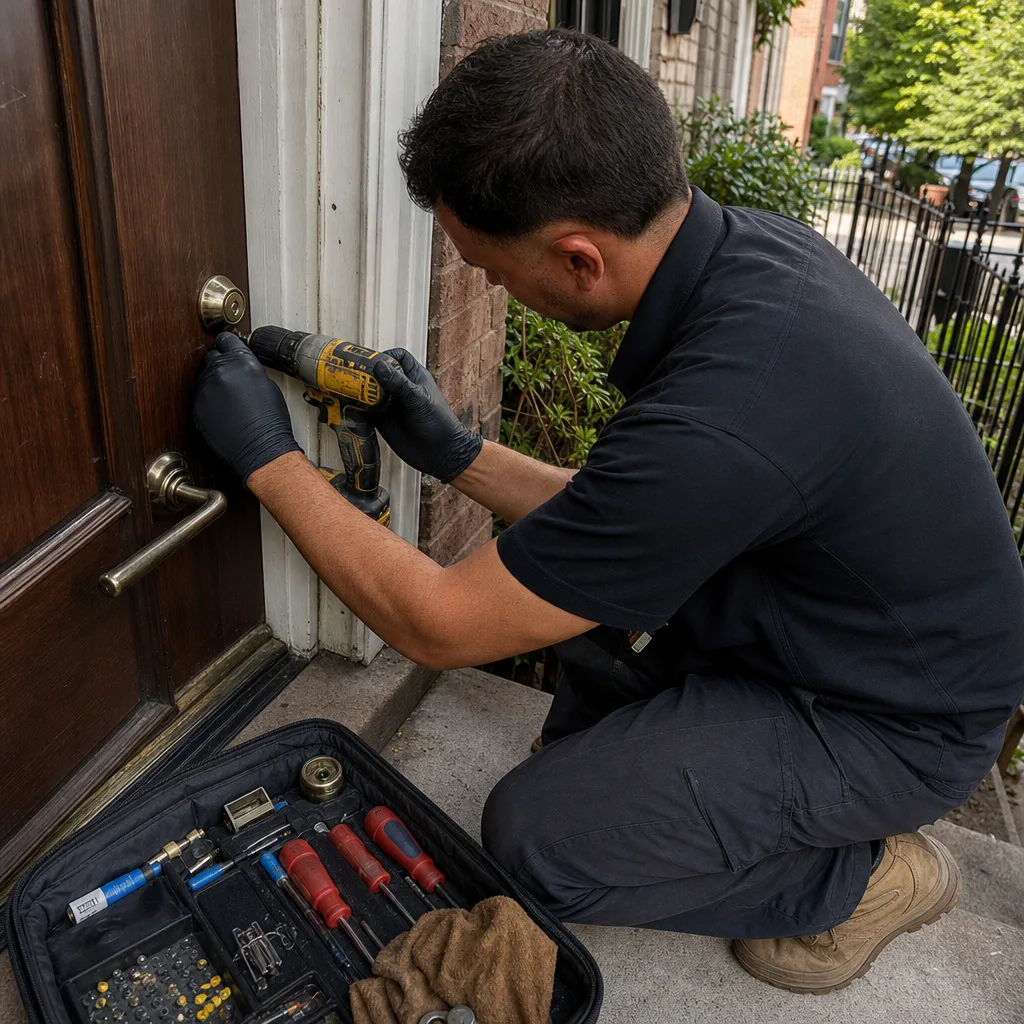
You can safely identify your Abloy series, photograph your key chart, and test whether the problem follows the key or stays with the door. That’s useful information and it’s the first thing we’ll ask on the phone anyway. You can also lubricate an Abloy cylinder, but use a dry PTFE lubricant only. Wet lubricants like WD-40 attract dust, and in New York City, dust is not in short supply. Oil a disc cylinder and you’ll be replacing it sooner than you would have.
What we don’t recommend is attempting to disassemble an Abloy cylinder or cut Abloy keys on a hardware store machine. The disc pack inside these cylinders is under spring tension, and once the pack comes apart, reassembling it without the right fixtures is a job for someone with the training and the tools. More practically, replication of Abloy keys outside an authorized channel is exactly how buildings lose control of who has a working key. In New York City, where tenant turnover and staff turnover happen constantly, a master key system that someone has been copying at the corner hardware store is a system with unknown keys in circulation. That’s not a lock problem. That’s a security problem. Call us at (331) 310-8471 and we’ll tell you what you’re looking at, honestly, in plain English, before you spend a dollar.
FAQs
Abloy cylinders on street-facing doors in New York City typically last five to seven years before discs show measurable wear; interior cylinders and low-use doors can last fifteen years or more. The entrance door cylinder is the first to go because it’s the highest-cycle lock in the building. Call (331) 310-8471 for an exact assessment of your system, and the estimate is free.
Abloy cylinders are not designed for field repair; once a disc or spring fails, the cylinder is replaced outright. We keep OEM Abloy cylinders on our trucks in common formats, so the replacement usually happens same-day. Call (331) 310-8471 and we’ll match your cylinder over the phone before we dispatch.
A single cylinder swap on an Abloy system takes twenty to thirty minutes once the technician is on-site. A full building retrofit with a new key chart and every cylinder keyed to a new system can take one to two days depending on opening count. We quote the labor in writing before we start, and the quote holds.
Yes. We stock Abloy Classic, Profile, and Protec2 cylinders, cores, and key blanks on our service vehicles, which means a same-day repair is possible for most New York City buildings. If your cylinder is a less common format, we order next-day from our Abloy distributor and schedule the install for the day the part lands. We also stock parts for Schlage, Kwikset, and Medeco systems.
Novak Lock & Security is an independent locksmith and security provider. We are not affiliated with Abloy or its distributors, and all work is performed to The Haven Standard, the documented quality framework we’ve used on every job since 2002.
If you have a worn Abloy cylinder, a sticking key, or a building that needs a written master key system quote, call us at (331) 310-8471. We’ll tell you what’s failing, what it costs, and when we can be there. The name on the van is the same name on the invoice.
Written by Daniel Novak, Owner, Novak Lock & Security at Novak Lock & Security, serving New York City and nearby areas.