
Non-destructive entry first, always - and we re-key Schlage, Kwikset, and Baldwin locks on the spot while you watch
You get a price before we start. It does not change when we arrive. No surprises.
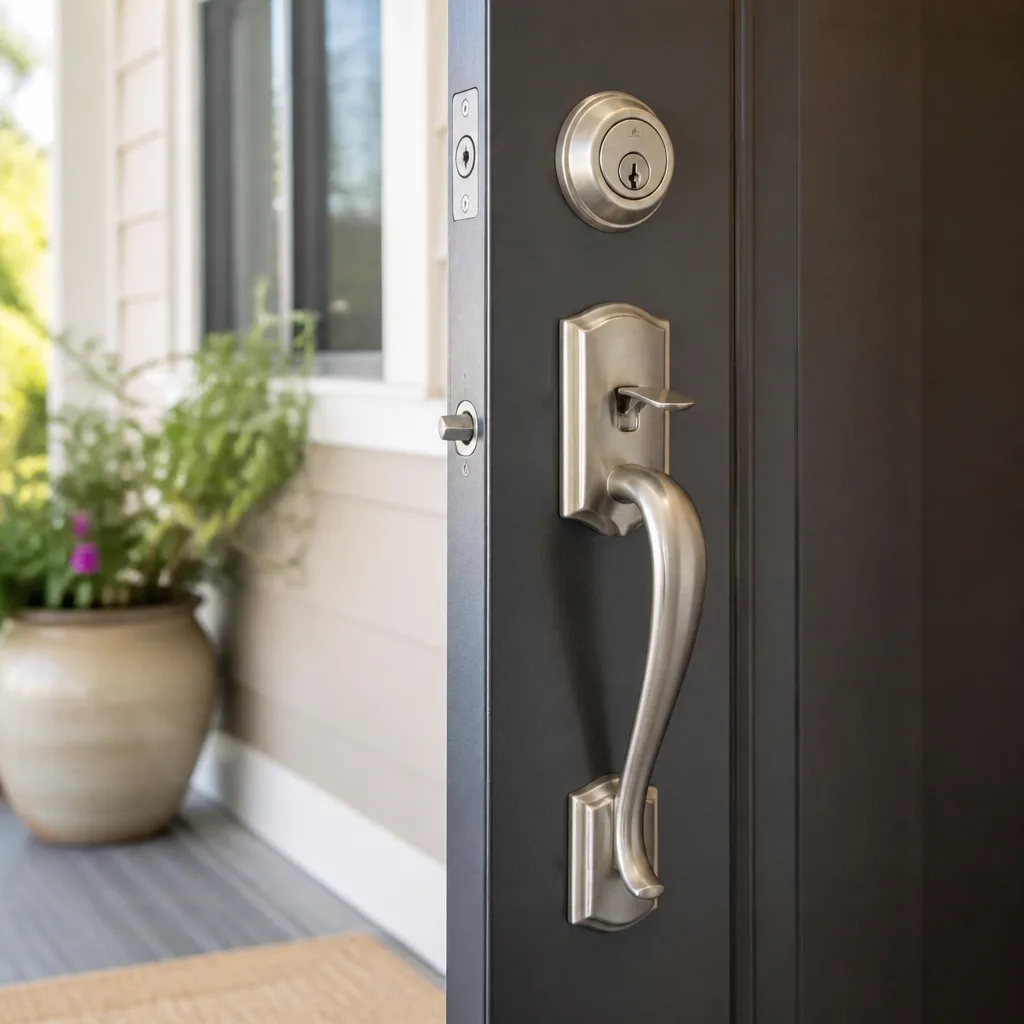
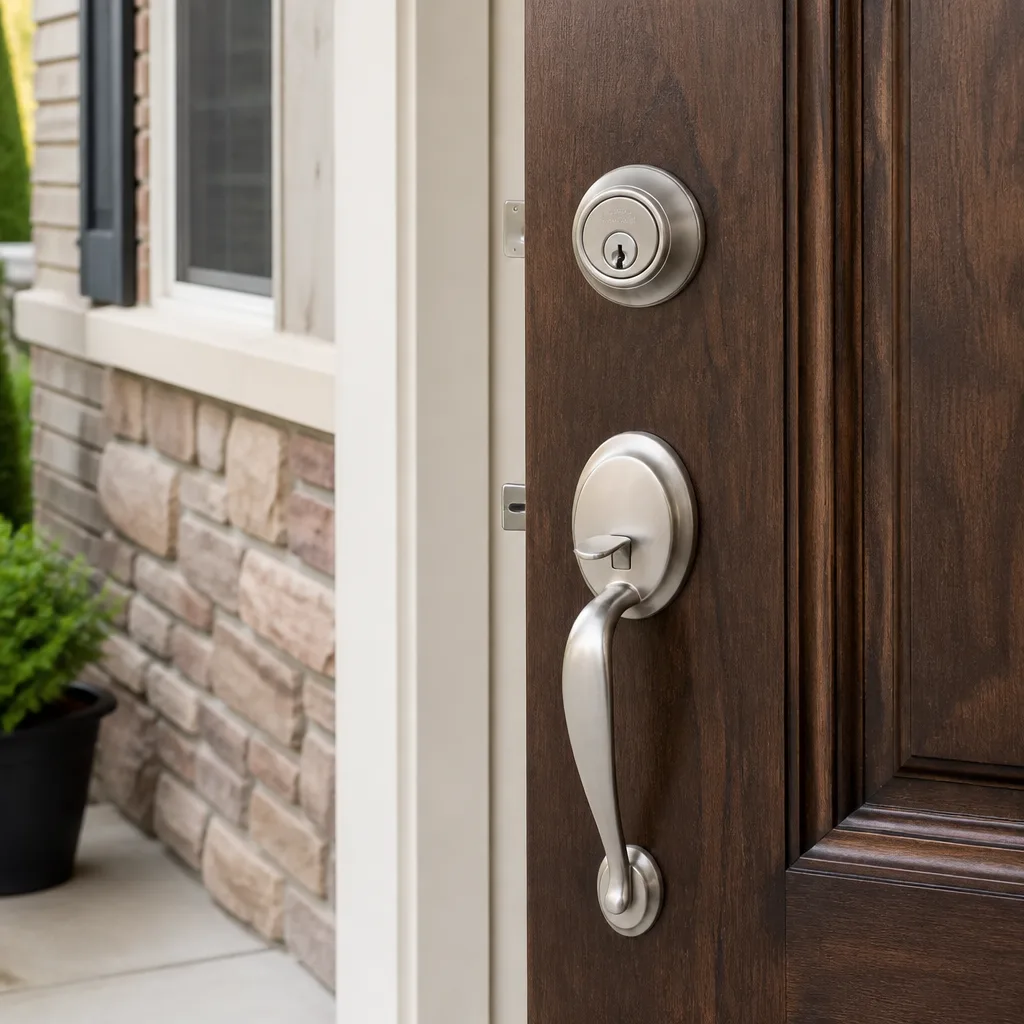

Sargent Master Key Systems: The New York City Owner’s Guide
A Sargent master key system for a New York City building typically runs $1,800 to $4,200 fully installed, depending on door count and cylinder grade, and we stock the components to have most systems cut and labeled within two business days. You usually discover the system is failing the slow way: one key stops turning in one door, then another, and then the building super is rotating through half a ring of keys just to empty the trash. Sargent systems are workhorses, but cylinders wear, pins drift, and master wafers crack, and when that happens the key chart becomes fiction at the worst moment. We are Novak Lock & Security, an independent locksmith serving all five boroughs, and we are not affiliated with Sargent. We are, however, intimately familiar with their hardware, because New York City buildings are full of it.
Key takeaways:
- We cut and install Sargent master key systems, sub-master levels, and grand master structures for buildings from a two-unit brownstone to a 60-door apartment house.
- The price on the phone is the price on the invoice, per Haven Standard Clause 1, and that has been our rule since 2002.
- We maintain key charts, stamp all keys, and leave you with a written record of every cylinder and every change.
- Call (331) 310-8471 for a free estimate, or bring us a competitor’s written quote and we will review it at no charge.
Which Sargent Models This Applies To
In the field, the Sargent systems we see most in New York City are the 9K and 9U series mortise cylinders, the 6-pin “LA” keyway, and the less common 7-pin “L” keyway that Sargent uses on higher-security lines. The 9K is the workhorse: you will find it in older co-ops on the Upper West Side, in Queens prewar buildings, and in a surprising number of Brooklyn brownstones that were rekeyed in the 1990s. The 9U is the newer equivalent. If you are unsure what you have, look at the face of the cylinder: Sargent stamps a small letter code near the keyway, and the key itself carries a number like “LA1234” that ties it to the chart. Bring us a key and a photo of one cylinder, and we can usually identify the series over the phone.
Compatibility is where Sargent owners get burned. A 6-pin Sargent key will not slide into a standard Schlage or Kwikset cylinder, and the reverse is true too. When we replace or expand a Sargent system, we use OEM Sargent cylinders and pins whenever possible, because the tolerances matter in a master system: a thousandth of an inch difference in a wafer creates a key that sticks, then fails. We do stock quality aftermarket equivalents for common Sargent blanks and cylinder bodies, and we say so plainly when quoting, but for master keying we recommend OEM parts. The price difference per cylinder is small; the headache difference is not.
One New York City reality worth naming: in prewar buildings, the original door hardware is often Sargent, and the mortise lock body is frequently reusable even when the cylinder is shot. We do not sell you a whole new lock when the cylinder is the only thing that failed. Daniel Novak has been working those doors since he started apprenticing under a retired Midtown commercial locksmith, and “replace the cylinder, save the body” is a habit that has saved customers thousands.
Signs Your Sargent Master Key Systems Is Failing
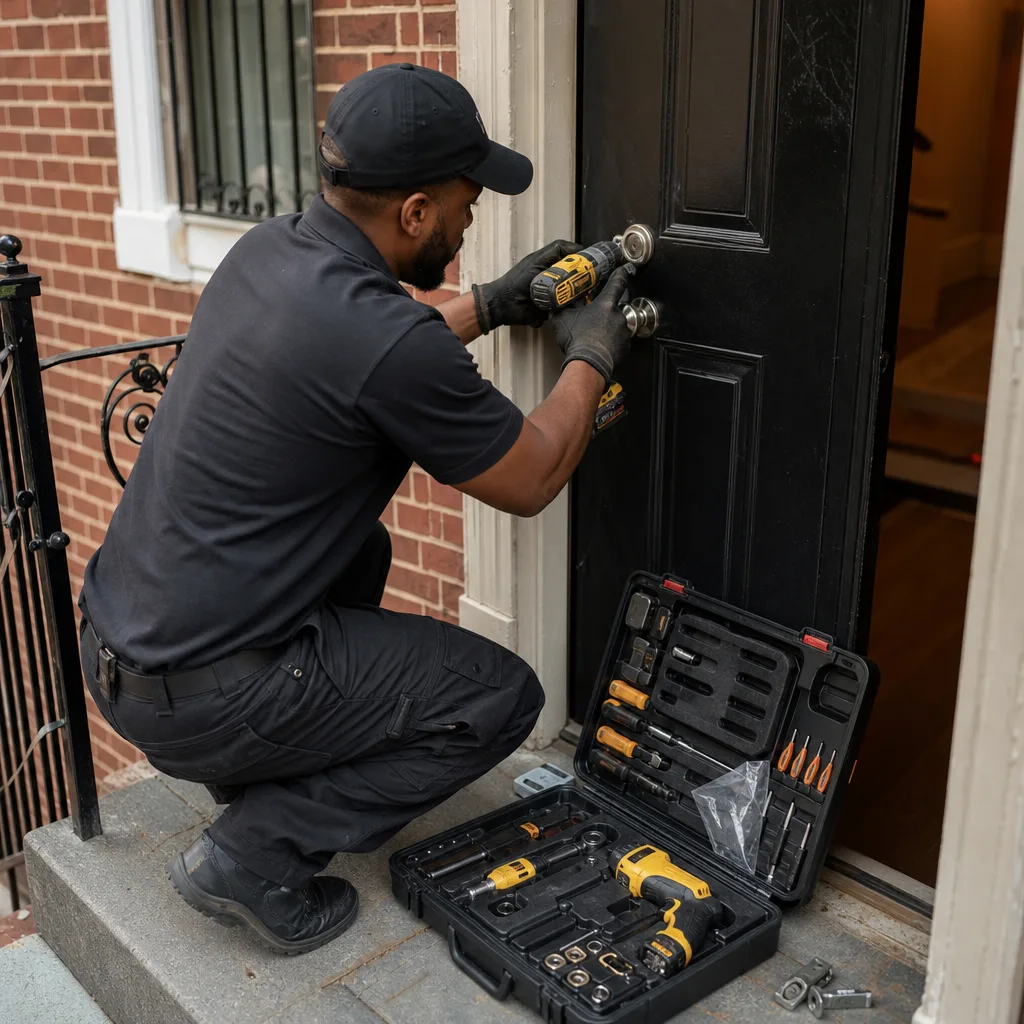
- The master key works, but the change key does not, or vice versa. This almost always means a master wafer has cracked or worn flat inside the cylinder. The master wafer is the tiny piece that lets two different key cuts operate the same lock, and it is the first thing to wear in a Sargent system. One dead wafer and the whole hierarchy wobbles.
- Keys need to be jiggled, pulled back a hair, or inserted twice to turn. That is pin wear. On a 6-pin Sargent cylinder, the top pins and springs lose tension over time, especially in buildings near the coast where salt air sits on brass. We see it constantly in Rockaway and along the East River in Greenpoint and Williamsburg.
- A key turns halfway and then stops, or snaps off in the cylinder. Sargent keys are brass and they work-harden with age. When the key finally shears, the remaining tip can seize the plug. Do not force it. Do not drill it. Call us.
- Different keys that should not open a given door are slowly starting to open that door. That is a worn system cutting cross-keys. It means the tolerances have opened up enough that an unintended cut depth is crossing a wafer line. This is a security failure, not just an inconvenience.
- The cylinder turns but the deadbolt or latch does not throw fully. The cylinder tailpiece may be worn or the mortise body itself has aged. This is common in older Sargent mortise locks in New York City where doors have sagged on their hinges and the tailpiece no longer lines up true.
Replacement Cost & What’s Included
For a Sargent master key system in New York City, a fair installed price range looks like this:
- Small system (2-4 doors, one master key, simple change keys): $1,800 to $2,600 (6-pin Sargent cylinders, key chart, stamped keys, labor included)
- Mid-size system (5-15 doors, one master plus sub-masters): $2,800 to $3,900 (includes cylinders re-pinned to the full hierarchy, two masters cut, chart printed and framed)
- Large building system (16-60 doors, grand master plus multi-level sub-masters): $3,900 to $4,200 and up, quoted per door after a survey
Every estimate includes new springs and top pins, master wafers where the hierarchy calls for them, stamped and labeled keys, a printed key chart, and the labor to pull, re-pin, and reinstall every cylinder. We tell you the name of the cylinder, the grade of the existing hardware, and what was found in each lock. The price we quote on the phone is the price on the invoice, per Haven Standard Clause 1, and there is no call-out surcharge added on arrival. The 365-Day Done Right Promise covers the work: if a key is cut wrong or a cylinder is mis-pinned, we return and fix it at no charge.
DIY or Call Us?
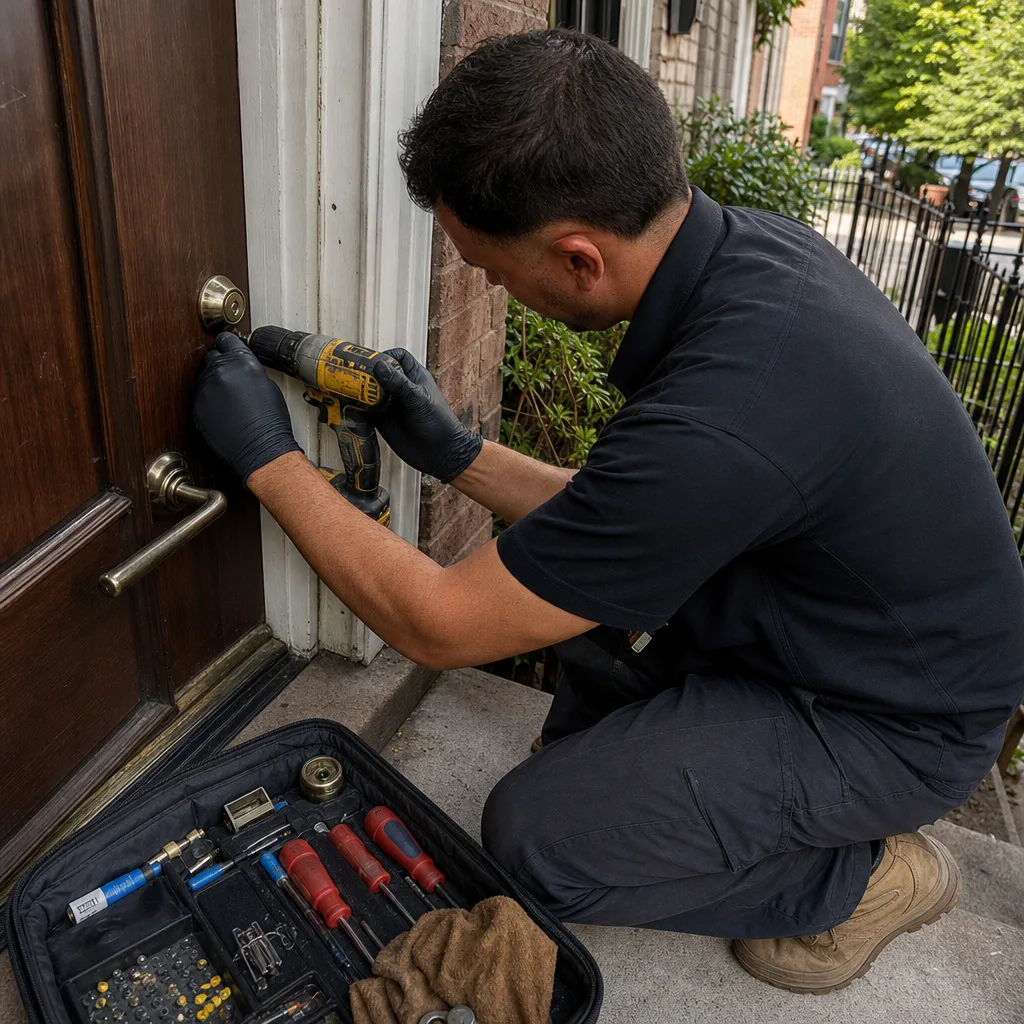
You can read the key codes off your Sargent keys, photograph the cylinder faces, and document which doors respond to which keys. That is useful and safe, and it will speed up our survey. What you should not do is attempt to disassemble a Sargent mortise cylinder or re-pin a master system yourself. The cylinders are under spring tension, the wafers are small enough to lose in a New York City floorboard, and a mis-pinned master system is not just unreliable, it is a security risk. We have been called to fix more than a few enthusiastic DIY attempts, and the fix usually costs more than the original rekey would have. If you have a failing Sargent master key system, call (331) 310-8471. We will quote a written price before anyone is dispatched, and a background-checked, uniformed technician will do the work and leave a photo record with the keys.
FAQs
A correctly installed Sargent master key system in New York City typically lasts 12 to 18 years before cylinders need re-pinning, with the first signs of wear usually showing in the change keys rather than the master. Coastal air, heavy street-facing doors, and high tenant turnover in neighborhoods like Astoria or the Upper East Side all shorten that window. We inspect the system during each rekey and tell you when pins and wafers are nearing their end. Call (331) 310-8471 to schedule an inspection.
We can often re-pin existing Sargent cylinders, replace worn wafers and springs, and restore the original key chart without buying new hardware, which is the more economical path when the lock bodies are sound. If the mortise bodies or tailpieces are worn beyond service, we will say so and quote the replacement honestly. The written estimate tells you exactly which parts are being repaired and which are being replaced.
For a typical 5-to-15-door Sargent master key system in New York City, we complete the re-pinning, cutting, labeling, and key chart within one visit of three to five hours. Larger buildings may take a second visit. We quote the schedule in writing before we start, and the price does not change while we are there. Call (331) 310-8471 for an exact timeline on your building.
We keep Sargent 6-pin and 7-pin cylinders, springs, top pins, master wafers, and common Sargent key blanks on our service vehicles, so most master key system repairs in New York City are completed same visit. For less common Sargent series, we source OEM parts directly and have them ready within two business days. We also stock parts for Schlage, Kwikset, and Medeco systems, so a mixed building is not a problem.
Written by Daniel Novak, Owner, Novak Lock & Security at Novak Lock & Security, serving New York City and nearby areas.